picturesuo is a public record of things I make, learn, and notice across technology, writing, art, and travel.
The subjects may change. The method is consistent: do the work, keep good notes, publish the parts that could help or interest another person, and preserve enough context to understand the path later.
This site is intentionally independent from any social platform. Short versions of ideas may appear on X; the durable versions live here.
About the site
Built from portable text and image files, versioned with Git, and published as a static site. It uses no advertising or behavioral tracking.
Now · August 2026
The large-picture answer I would give a friend I had not seen in a year.
Building
I’m turning picturesuo into a durable home for writing, technical projects, ceramics, photographs, and the observations that connect them.
Learning
I’m learning how to publish consistently without letting publishing become the work—and how to take intelligent opportunity risk while keeping strong personal constraints.
Making
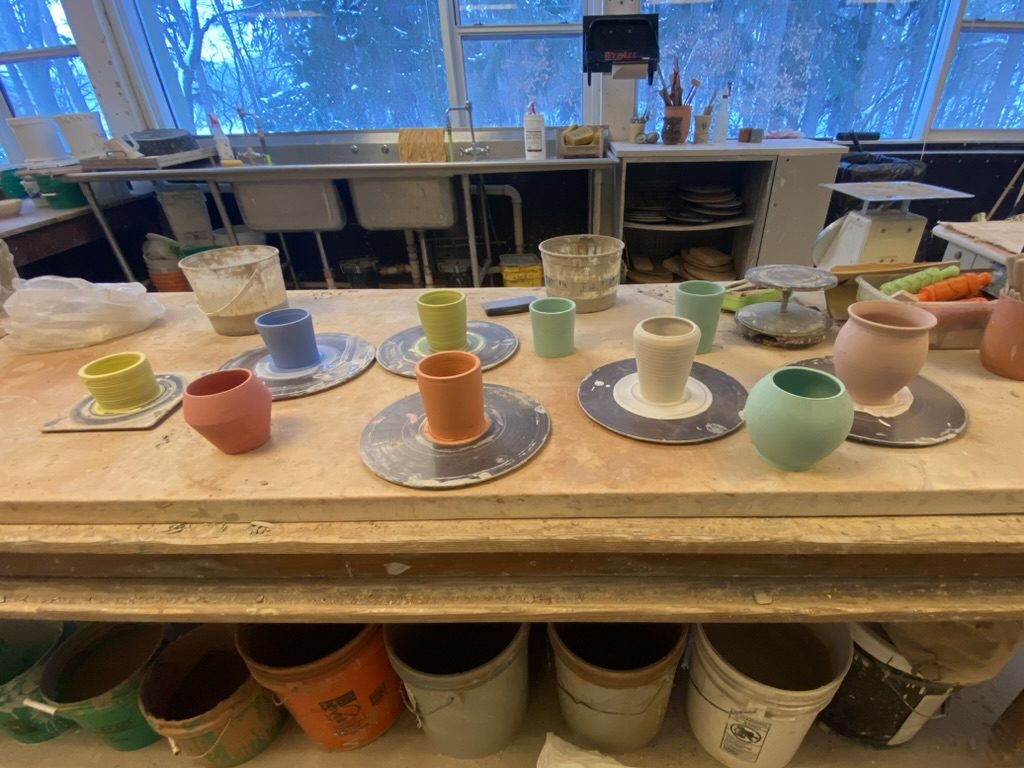
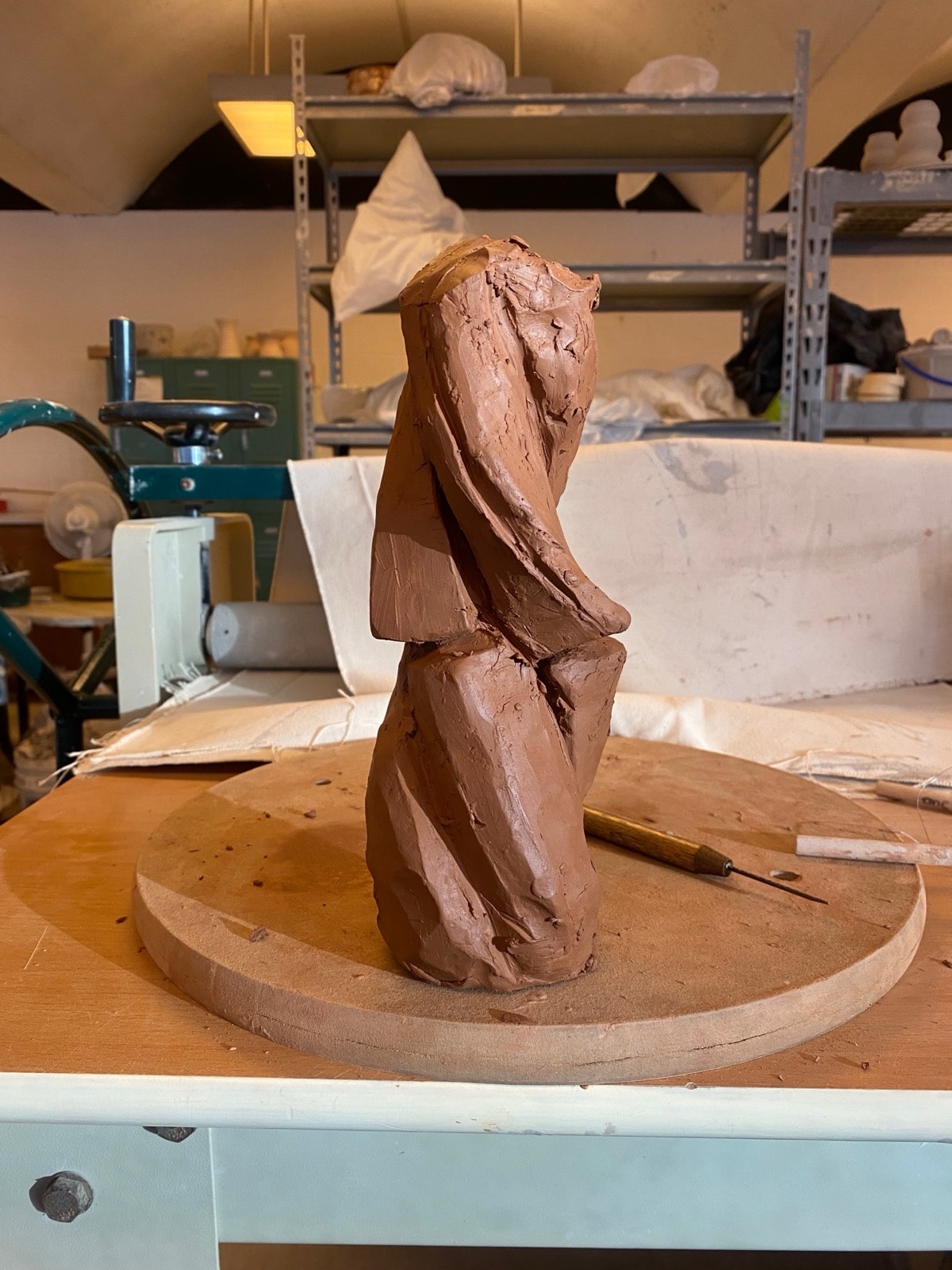
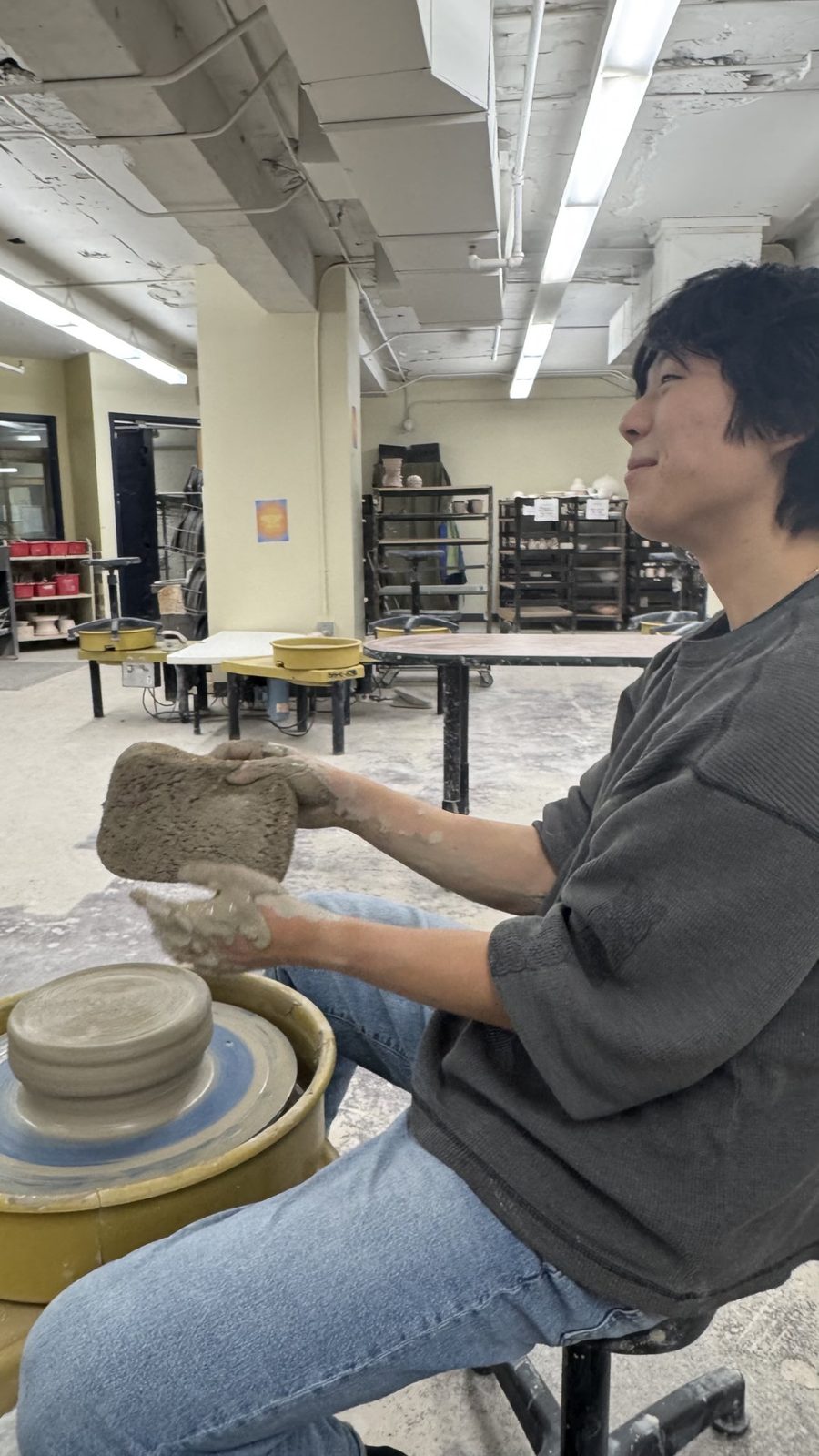
I’m making software and physical objects, especially ceramics. Both are ways of turning an idea into something another person can experience.
Constraints
No automatic publication from private notes or AI output.
No more than two active quarterly goals.
Ordinary website maintenance stays below 150 minutes per week.
Daily is a plain record of my days, in my own words: what I did and when, how the time added up, and what I meant to do and to avoid. At the end of a day I write rough notes; an AI on my own computer drafts the record from them, and nothing goes up until I have read and corrected it. A record is what I knew that night, so it can change if I add to the day later.
Completed is an anti-todo list, an idea from Marc Andreessen's Pmarca Guide to Personal Productivity (2007): write down what actually got done, not only what was planned, so even a scattered day shows its work. Anti-goals are something else: what I meant to avoid that day, marked held or slipped.
Times are only the ones I entered; nothing is filled in. The calendar has seven categories: Art, Gym, Meditation, Run, Study, Work and Write. A square only says which of them happened that day, never how much. Art and Write also count what I published here, and Work a day with activity on my GitHub profile. A quiet square means nothing public, not nothing done. Each week has one focus, marked day by day: achieved, not achieved, or left blank.
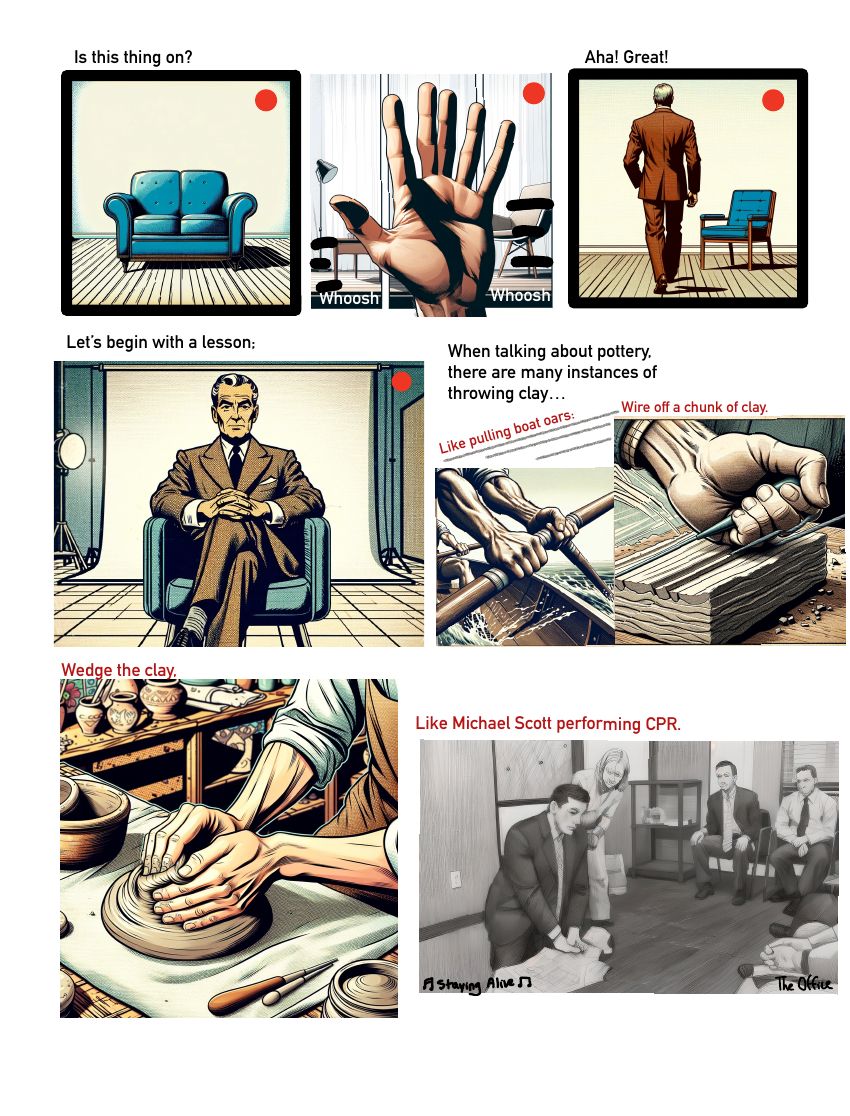
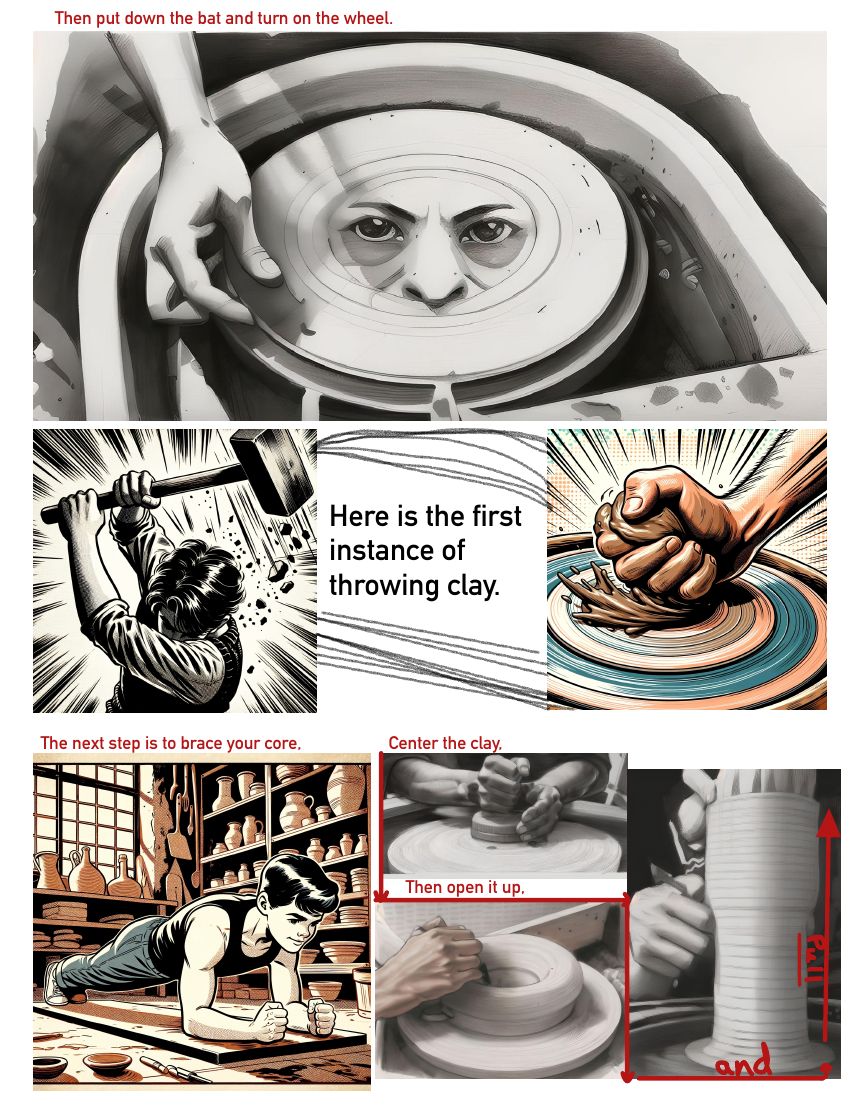
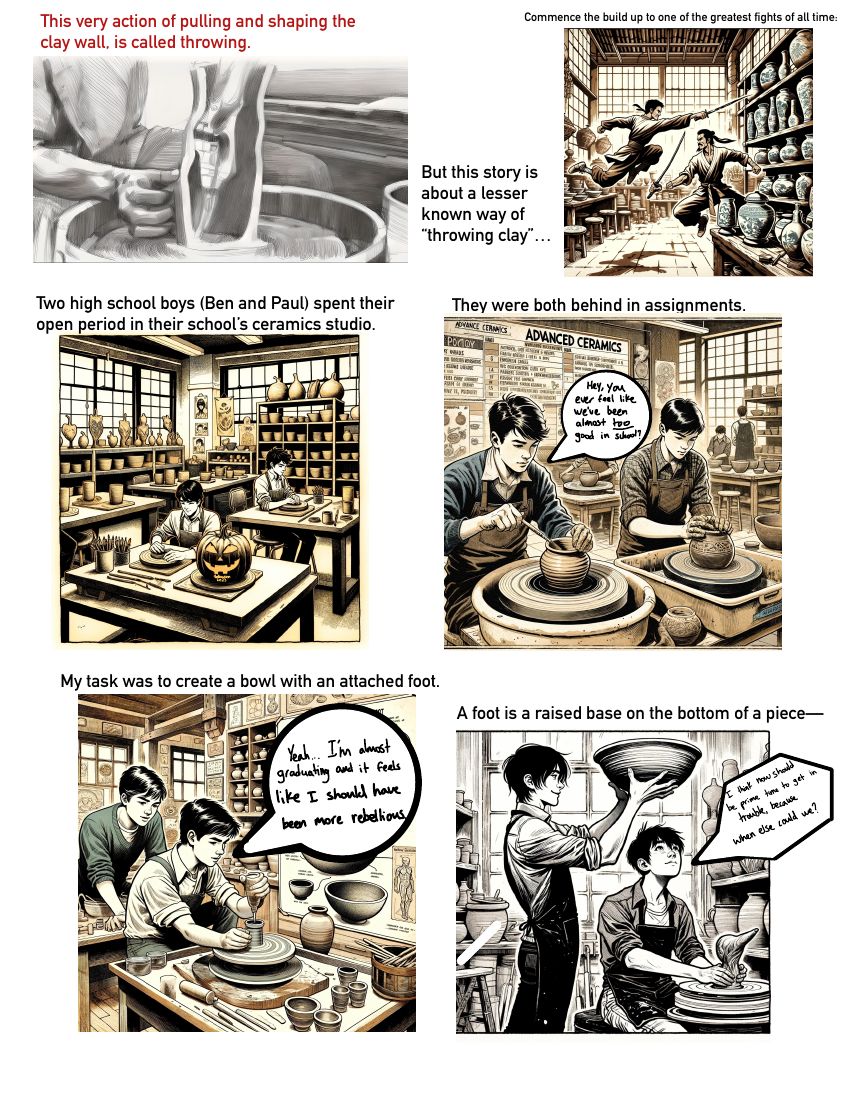
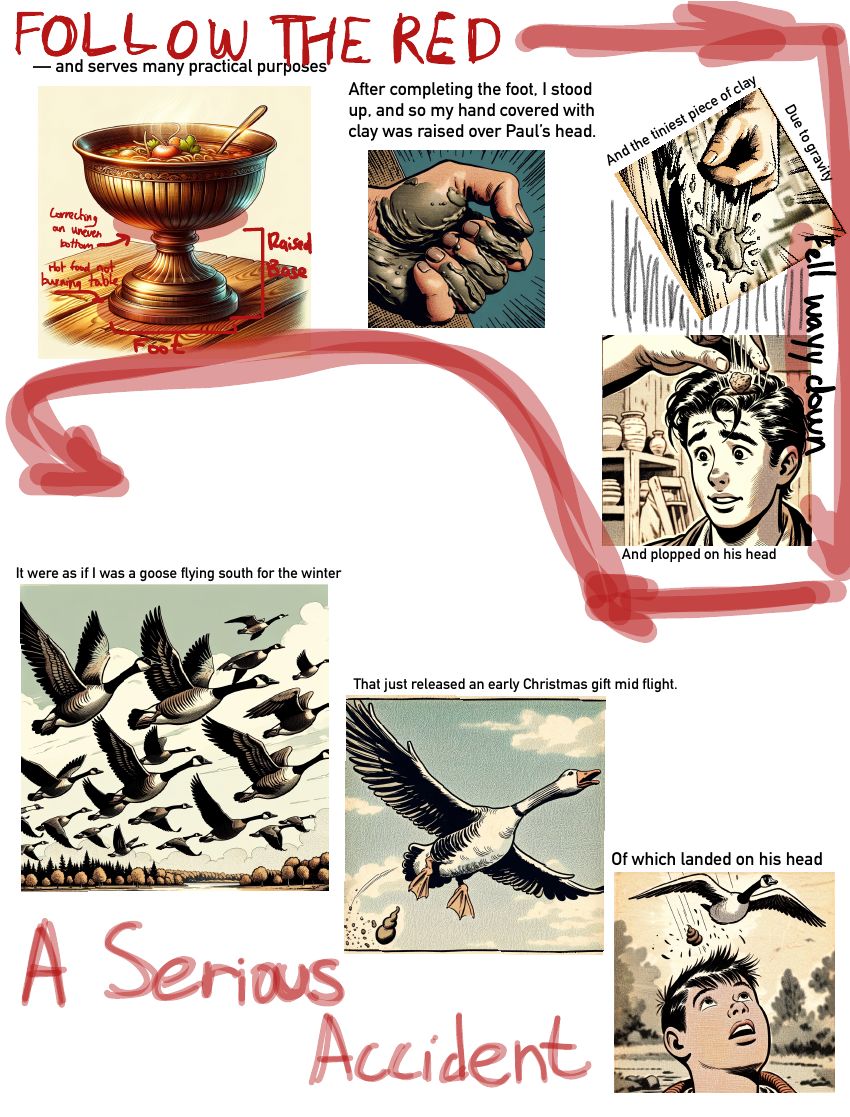
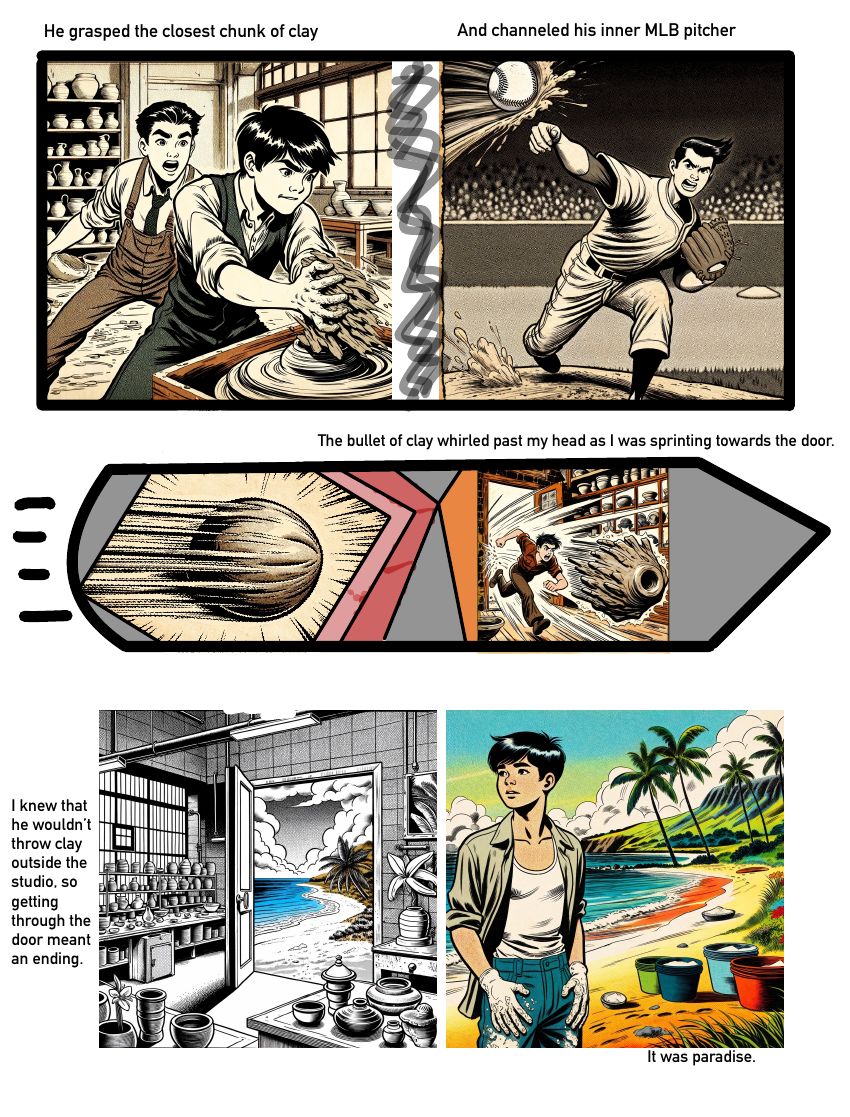
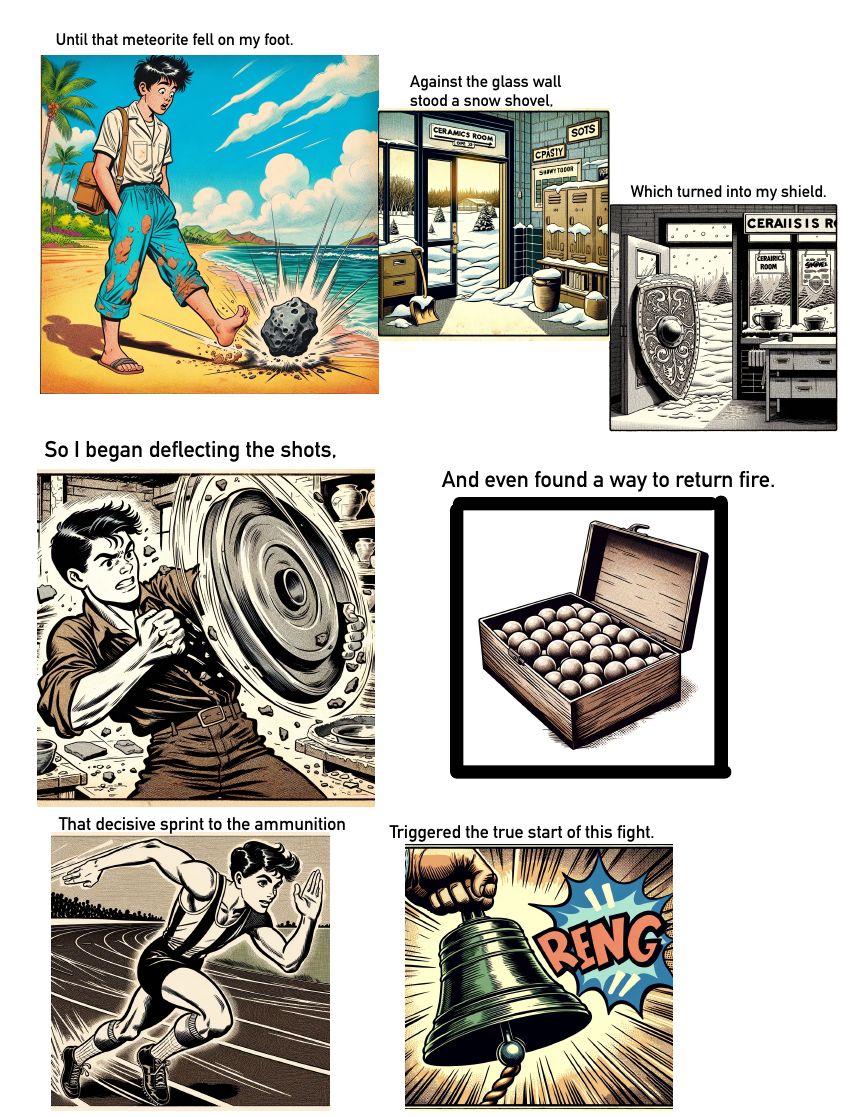
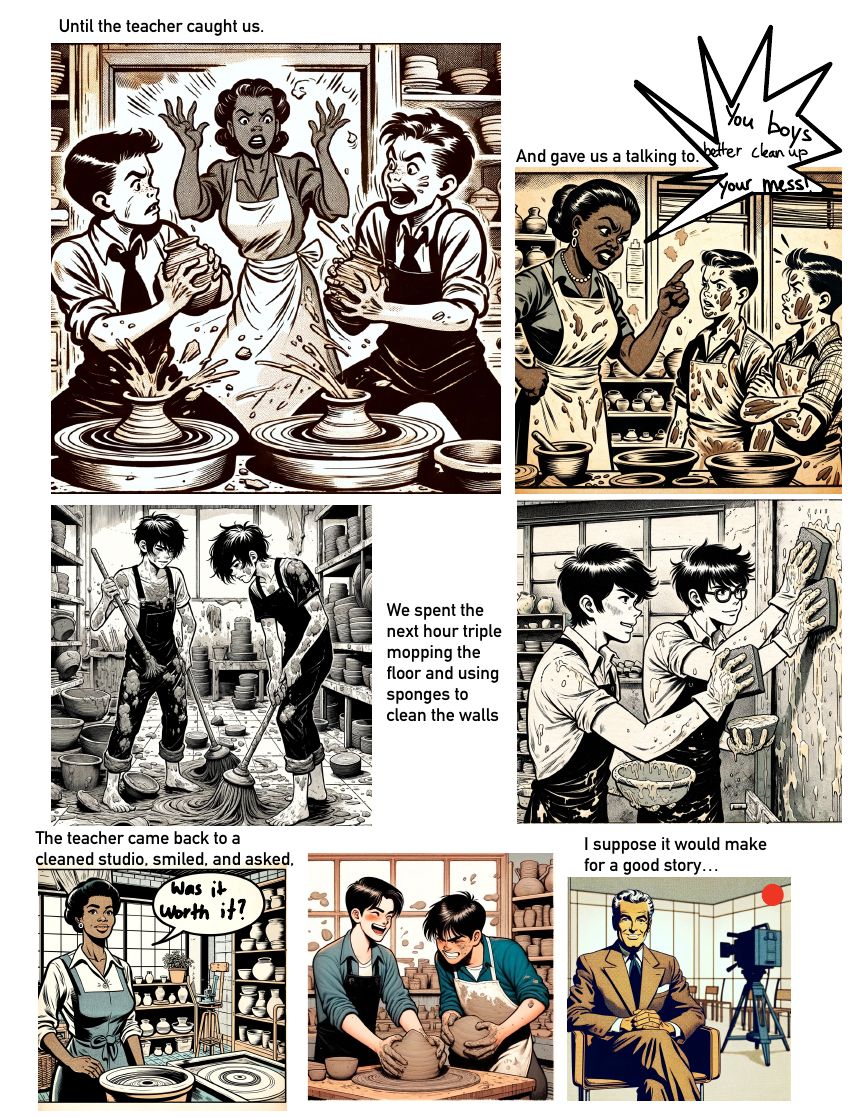
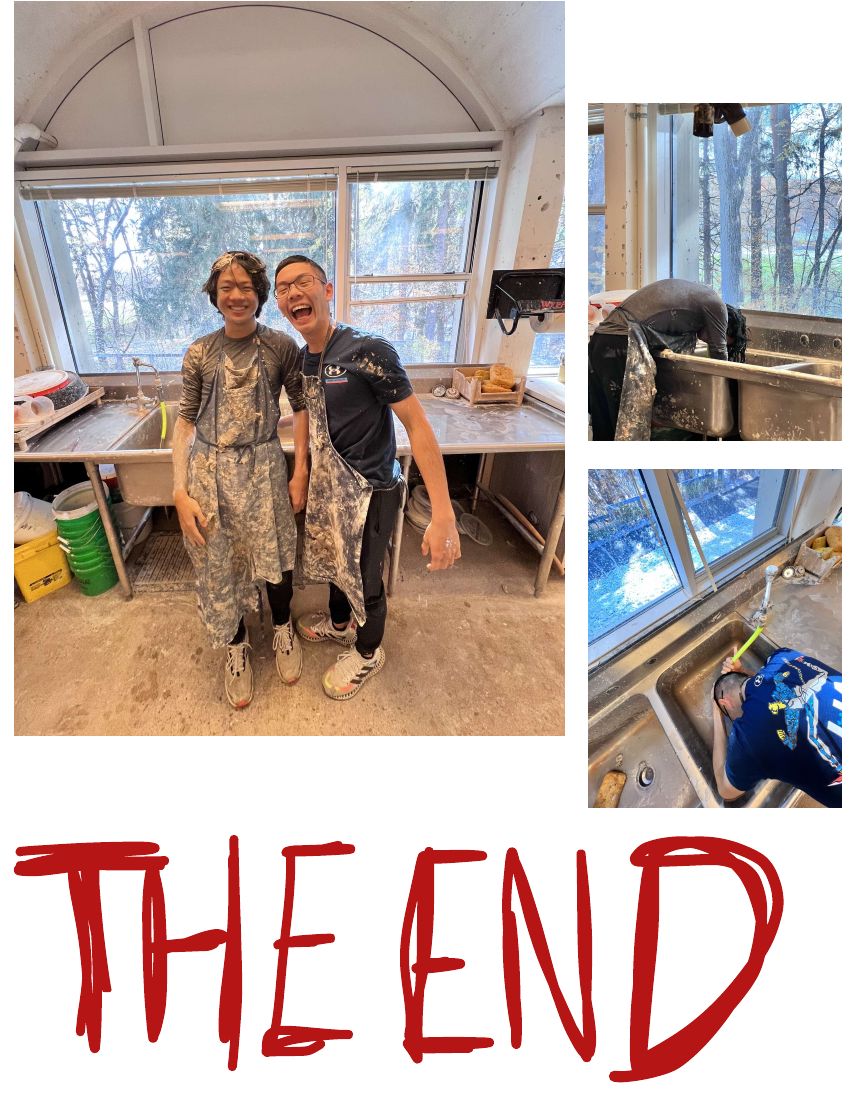
Comic, 2023. A short graphic-novel experiment built around clay, conflict, and visual storytelling. Drawn for a creative writing class in December 2023. The original PDF (4.4 MB).
Page 1 of 9
Page 2 of 9
Page 3 of 9
Page 4 of 9
Page 5 of 9
Page 6 of 9
Page 7 of 9
Page 8 of 9
Page 9 of 9
Essays spoken in, read out.
Writing · Thoughts
Ideas being explored, and lessons from experience.
Optimizing
Writing · Archive
Older work, preserved.
Dinnerware
6 min read
One decision to eat better for years
Buying dinnerware is a surprisingly practical optimization, as it takes just a little time to make a decision about something you’ll use thousands of times. This is especially true when the choice brings small psychological benefits that can influence how your food looks and tastes every time you use it.
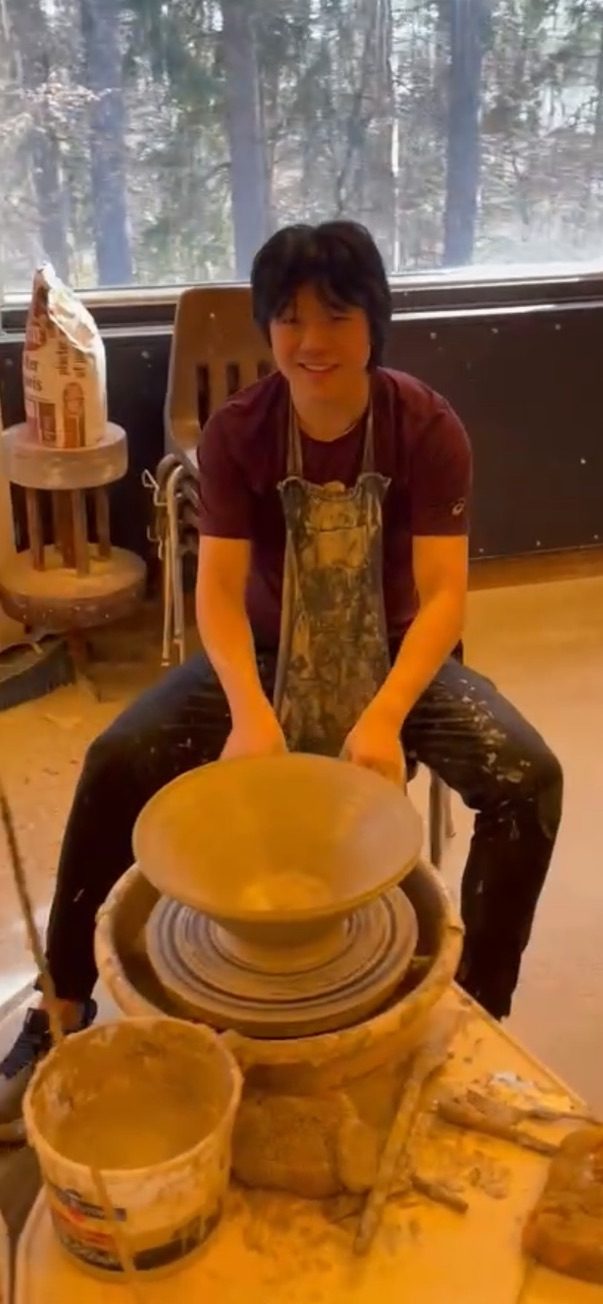
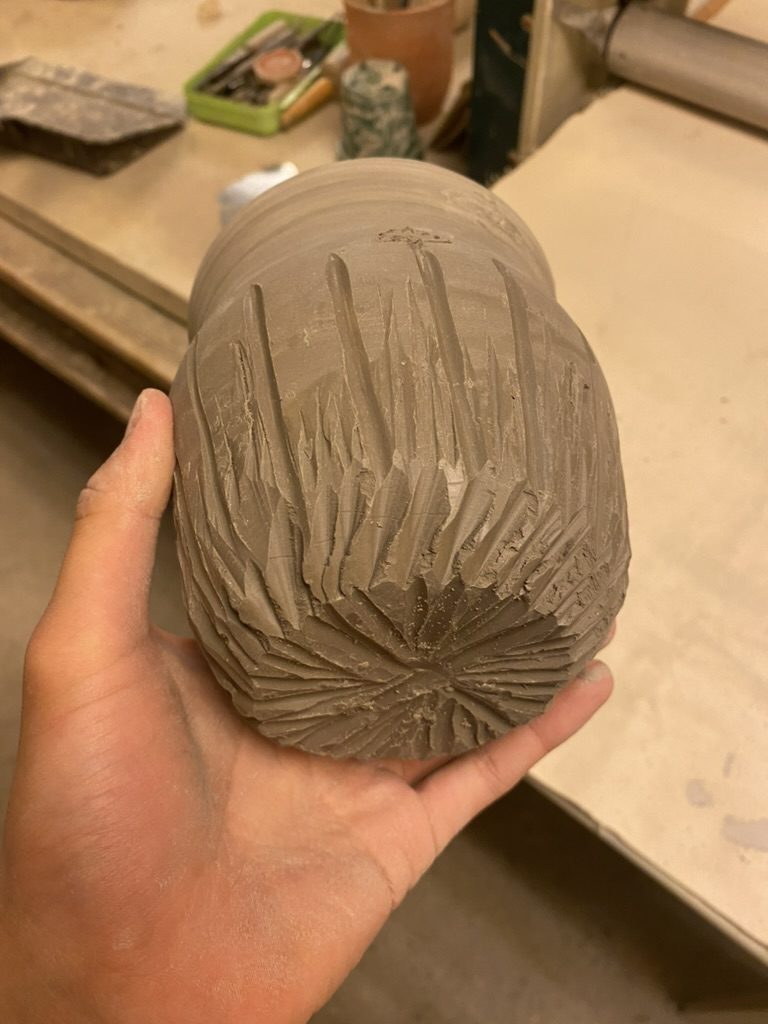
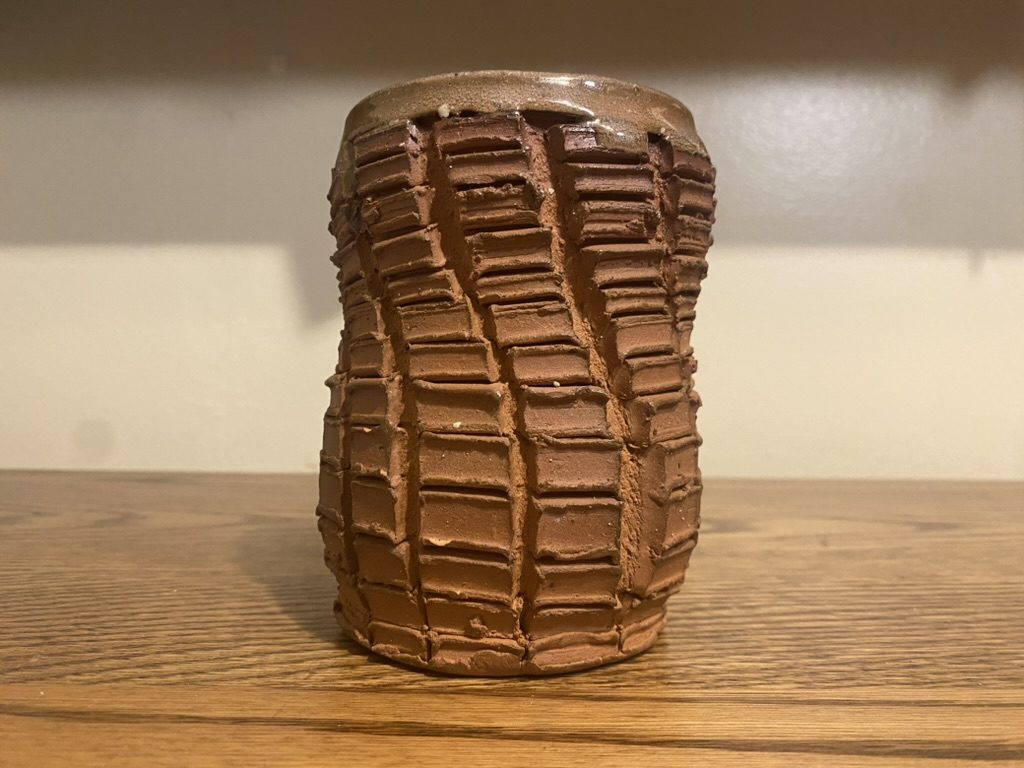
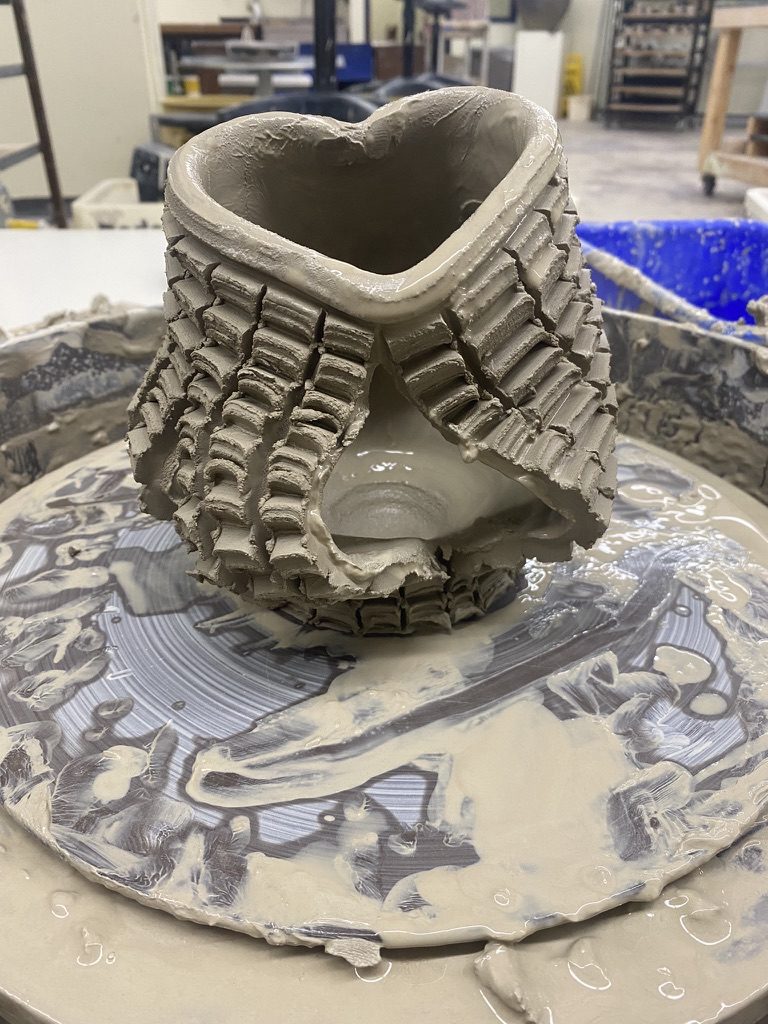
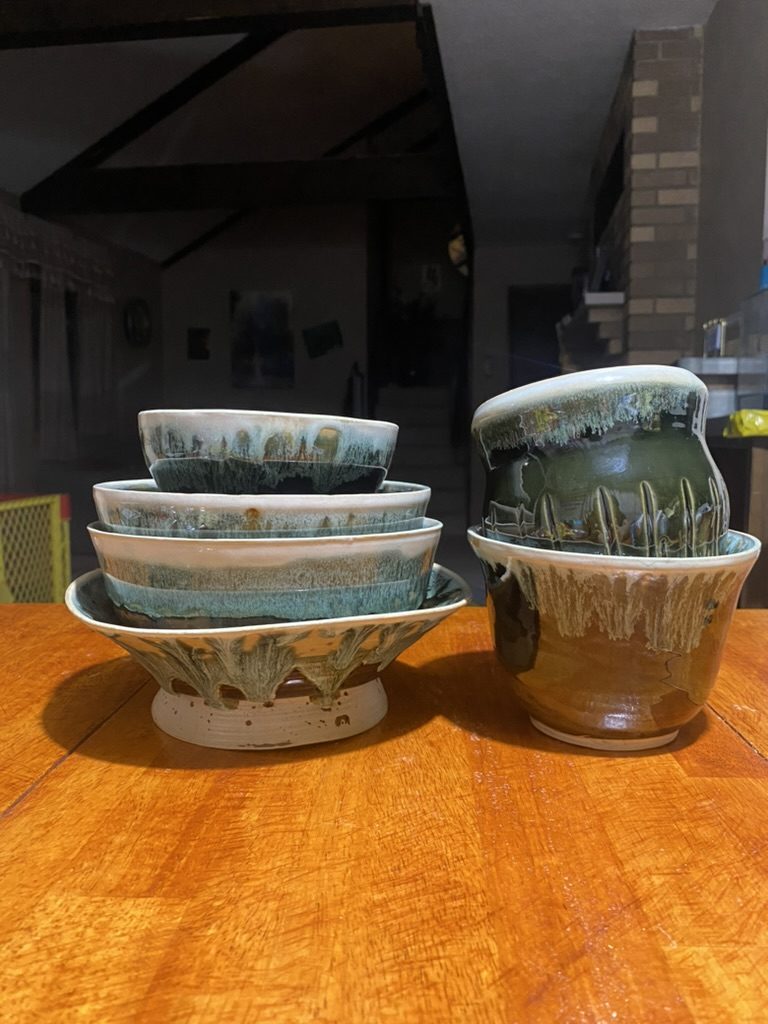
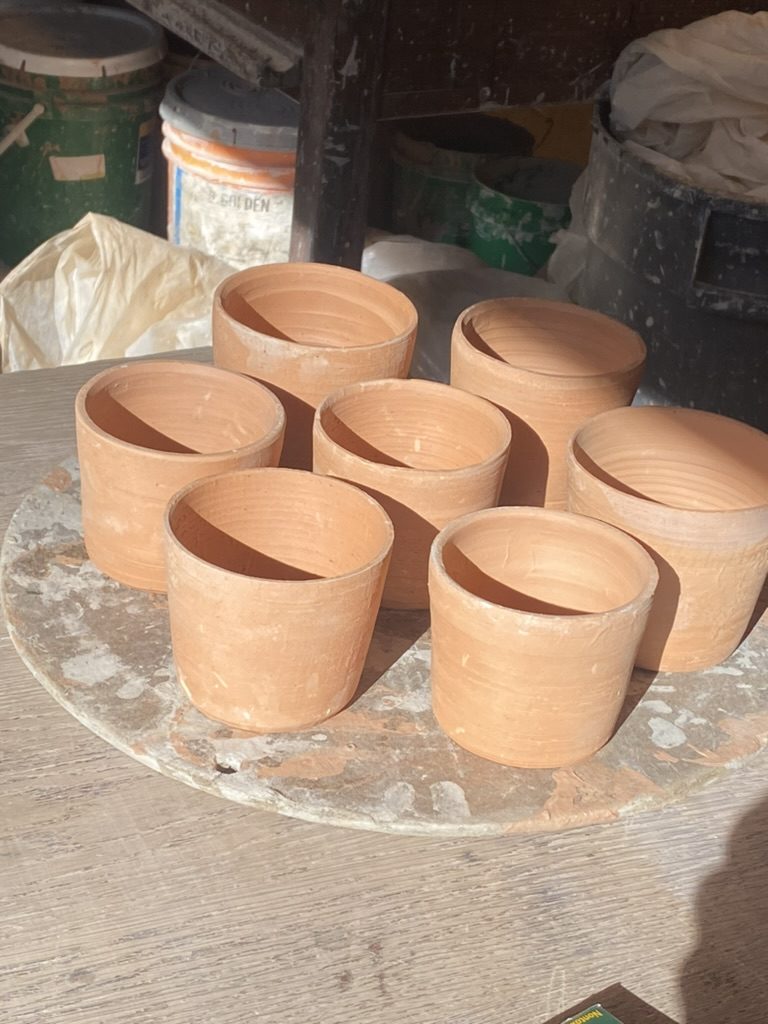
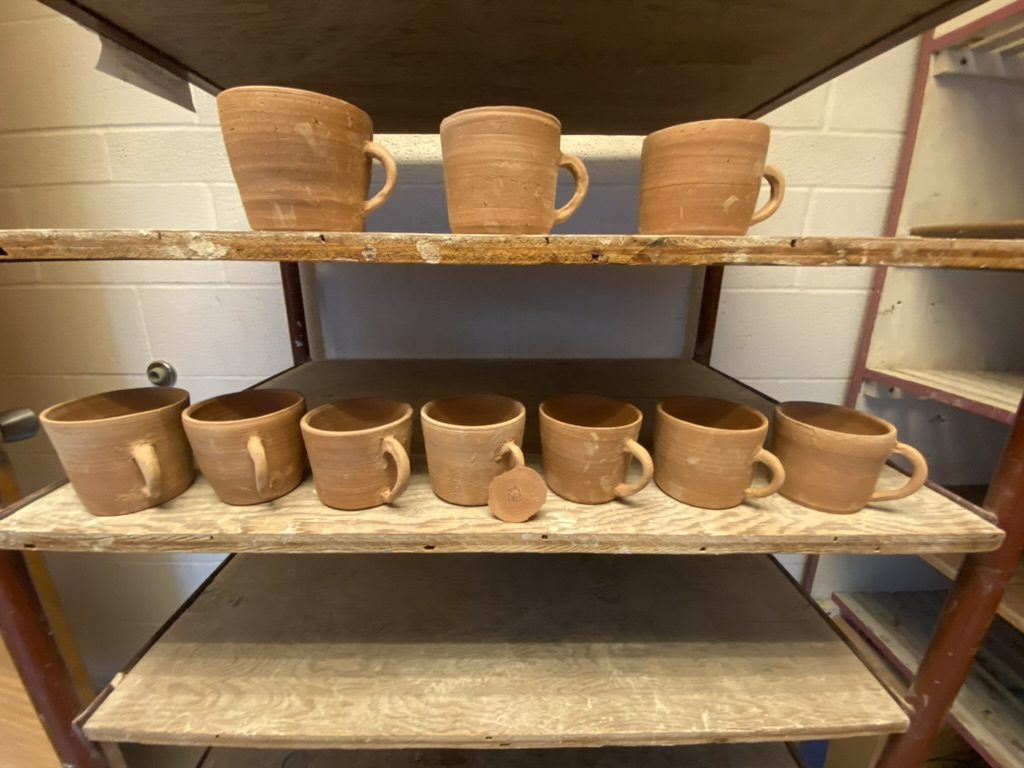
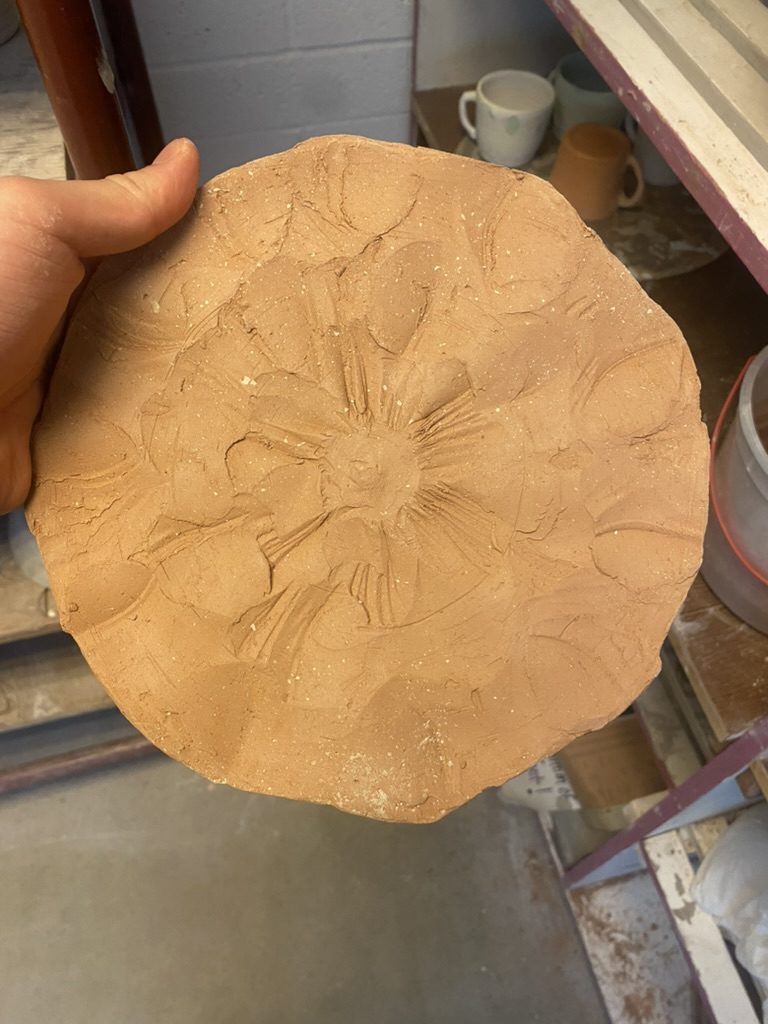
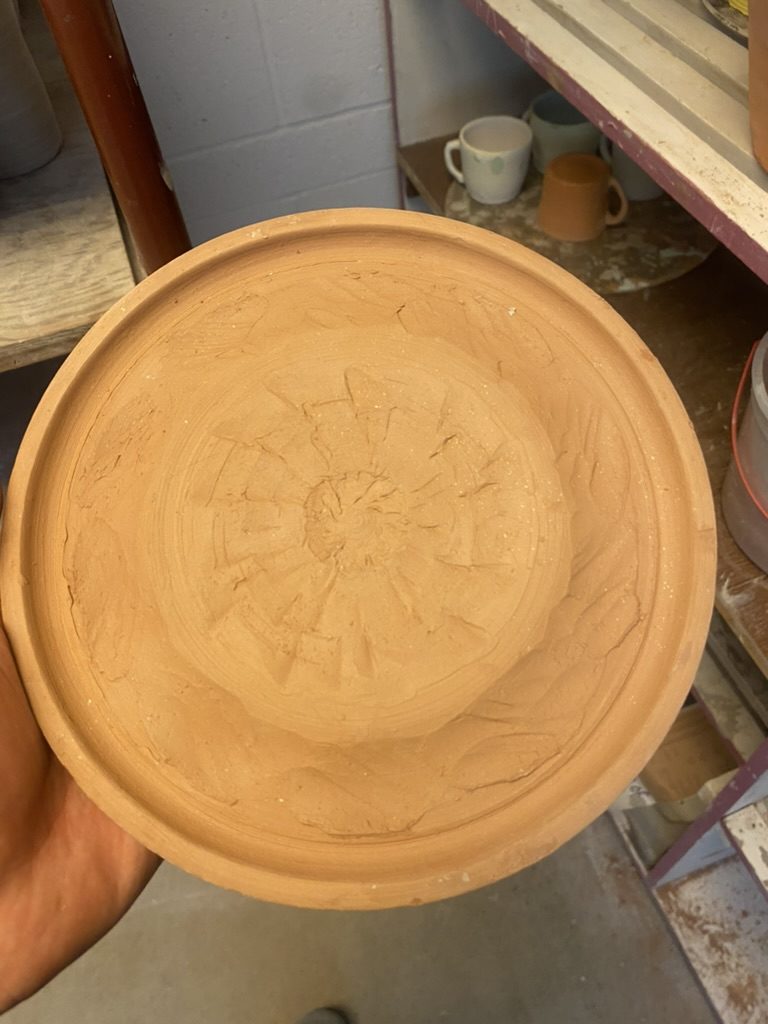
Starting my second year of college, I recently realized two things: disposable plates and bowls were not a great long-term plan, and that I missed the ceramics that I used to throw in high school. So I decided to make sets of dinnerware for my roommates and friends; but before choosing designs, shapes, and glazes, I wanted to see what the research said.
Here’s what I’d choose, depending on who you’re feeding.
If you’re trying to eat more
Get wider bowls and larger dinner plates, and serve yourself with a bigger serving spoon. Choose heavier, warm-toned pieces you actually enjoy using, and put warm white light bulbs over the table.
The opposite is mostly true. Buy teaspoons and small spoons for everyday eating, and choose a dinner plate you like. Then plate your portion in the kitchen and leave the serving dish there.
Buy two sets of plain, solid-colored dishes that contrast with your usual food. For example, use a blue or dark set for pale foods like rice, pasta and yogurt, and a white set for darker foods. Keep the surface where the food sits free of patterns, and light the table well.
Buy mugs with a white interior for black coffee, plus a clear glass or blue mug for drinks you want to taste a little sweeter. Add a cream or orange cup for hot chocolate. Choose smooth glazes over rough ones, and a heavier mug if you like coffee that feels full.
Buy a small mixed set: heavier plates, heavy cutlery, a dark plate for rich mains and dark chocolate, and a white or rose plate for fruit desserts. Dim the lights, but keep one light focused on the table.
Eight interests that began shaping how I learn and what I want to build.
2023 has been a big year for me. I found so many new interests in my life:
Math
Coding
Physics
Journaling
Creative Writing
Ceramics
Philosophy and Thinking
Building Relationships
1. Math
I attended a math program called MathIly-Er for 5 weeks this summer, and it was one of the best times of my life. We learned so much math, here’s the daily breakdown:
Breakfast then 4 hour morning class (9:00 am – 1:00 pm), Lunch, Daily Gather (a presentation on a different type of math each day, usually by a college professor, from 4:00-5:30), Dinner, then Problem Session (6:00-9:00). So a total of over 8 hours a day of structured math, 6 days a week, for 5 weeks.
The biggest thing that I obtained from this math program is the patience and passion to learn. When you sit down for 8 hours a day thinking about how math could work, studying for 2-3 hours seems like a fine thing to do.
I also learned to “keep my brain on”. One of the ideas stressed by our instructors is that it is crucial keep our brains on when we leave camp. To keep on wondering, to trying, to conjecturing, to proving, and seeing math happen–it’s so important.
From an introspection near the beginning of camp: “My goal is to come to see and observe how the math world operates, and to see how I like it. I haven’t ever spent entire days on math, so getting used to thinking deeply for so long has taken a while. But I think that I have been enjoying being here a lot. Every day I get intrigued by something, and for the first time in my life, I’ve been losing sleep over thinking about math. I literally lay in bed for the night and my head randomly thinks of some sequence or idea that we talked about throughout the day. Even outside of class, I’ve been influenced by my friends and roommates to learn how to code, play sudoku and set, and even play math games such as krypto outside of class.“
Math had been active in my head so much that it was near impossible to turn off and fall sleep. And checking in with the other campers, this experience of closing your eyes and being back in morning lecture was not just a me thing. It was practically everyone.
Now let’s talk about the people. Math people like to study beautiful ideas in life. I wrote in my final introspection: “I came here to learn more about math people and the math world, but I’ve concluded that there’s too much math and too many different types of mathematicians for me to even make this goal. For example, one of my roommates was losing sleep over a new competition math problem (IMO) because it was “just too fun”. One of my other roommates was bored one day and read a linear algebra book. Every mathematician has their own preferences and styles of math that are directly influenced by their everyday life.” Continuing on, “I was extremely lucky and happy with my roommates, and built a close bond with them; we shared pretty much every idea and its execution together. I think that they made the time fly by here for me.“
Since MathILy-Er, I’ve been more interested in math than ever before. A true, honest desire to want to learn more, see more, and do more math. I want to be involved in my math community, I want to go to Wednesday Math Tea, I want to talk about math with other people.
Here’s the list I supplied at the end of my last introspection for what I did outside of class at MathILy-Er:
I took over 30 naps and slept under my bed frame
My roommates got me to start learning how to code, and I coded a website after learning HTML
That one day that the path to dinner was blocked by a tree and we got pizza for dinner, Alan and I learned to juggle and our pod got our only 25 (perfect game) in hanabi
We did a ton of wall sits and while playing krypto
We played some video games while commenting on how much of a waste of time it was
I ran around 240 miles through 800 0.3 mile laps around the soccer and lacrosse field
We skipped rocks in the river after the river flooded
We learned that bouncing a lacrosse ball inside our dorm room amplified through the floor and was more loud for our neighbors than ourselves
We ate 12 packs of popcorn during branch
We laughed a ton and never got into any non-mathematical arguments
2. Coding
If there was any cheat skill in life, it would be coding. I’m interested in coding because it forces us to dissect what we see and encounter in everyday life into small, manageable chunks to solve problems and find solutions. Computers nowadays are able to go through thousands of inputs each second to see what works, what fails, or what worked the best. We modeled many problems at MathILy-Er into matrices and used sage (python) to plug and chug through all the combinations to see if something was possible. But coding is not a skill that I’m adept at, and there’s that iceberg effect, as coding only gets more and more complex each day we live.
I have learned python through an online free course by the University of Helsinki, which I found to be incredible. I do want to learn c++, HTML, and javascript when I get free time. But free time is quite valuable these days.
I’m also interested in github and how coding at higher levels go. Coding is a mostly problem solving task, and no one is adept at everything, so coding is almost always a group project, which I enjoy.
There’s a certain satisfaction in coding something that works properly and being able to understand how code will behave. The best thing that I’ve coded so far is a tic-tac-toe game, or perhaps a daily planner (both in python).
Coding is for sure something that I will want to understand for the future. I plan to perhaps minor in computer science or self study programming as I get older, or find more time.
3. Physics
Sticking with the math-ier topics, I’ve recently been interested in Physics. I have never taken physics before nor have I learned anything about it, but I do feel that it is my duty as a human to strive to understand this world. After all, if we don’t make every attempt to understand this world we live in, wouldn’t all we be doing is responding to unknown light and stimuli?
If I were to want to simulate a world, I would want to create laws and constants that this world would abide by. With my limited understanding of what physics is, I feel that physics are these laws that, if our life is simulated, our creator(s) did a splendid job creating.
And I want to learn more about the world. Physics deals a whole lot with the world. So I want to learn more about Physics.
I plan to read the Giancoli book and spend my 2nd period open with my school’s physics teacher, Mr. Miller.
Physics is another one of these topics where talking about it with other people is so important and worthwhile. I mean, you’re literally discussing what the rules of the world are.
4. Journaling
If you read the (READ FIRST) entry on this website, you’ll find that I, as a person who likes to keep to himself, especially need to journal. You’ll be able to read more about this in an entry I plan to write about the book called Steal Like an Artist by Austin Kleon. Though, I sadly have not read one additional page in that book since I wrote the (READ FIRST) entry, as time started becoming scarce.
5. Creative Writing
I have been loving Creative Writing, so much so that I’ve already started on an entry about it days ago. I will upload the entry for you to see after I learn more and have written more.
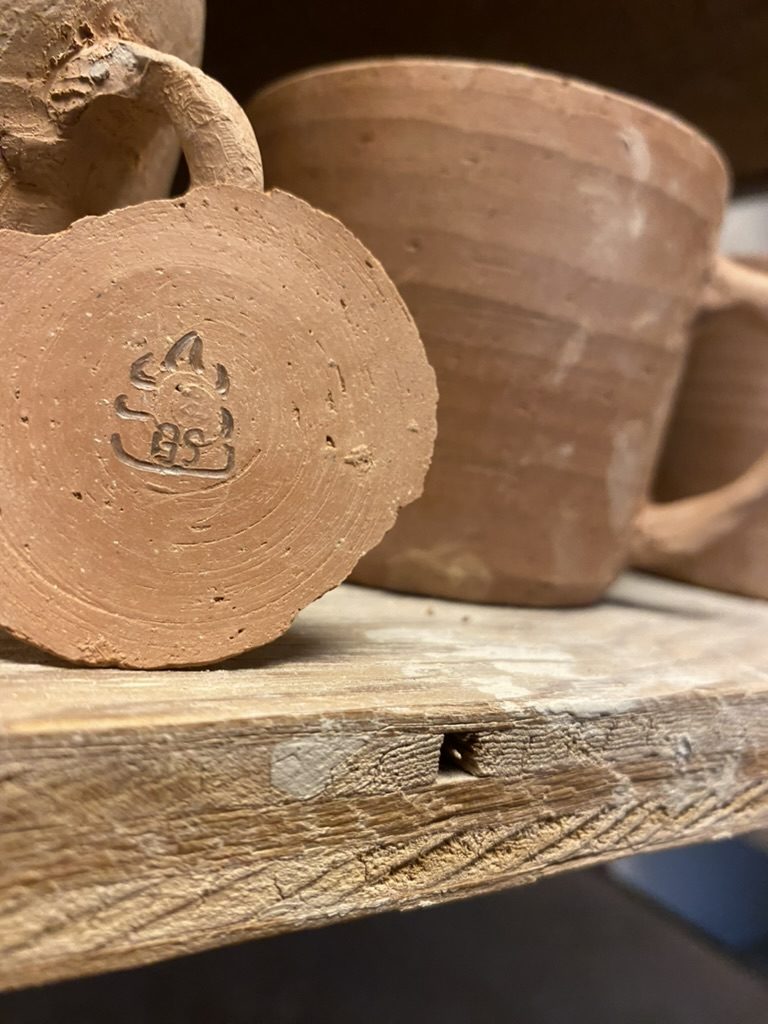
6. Ceramics
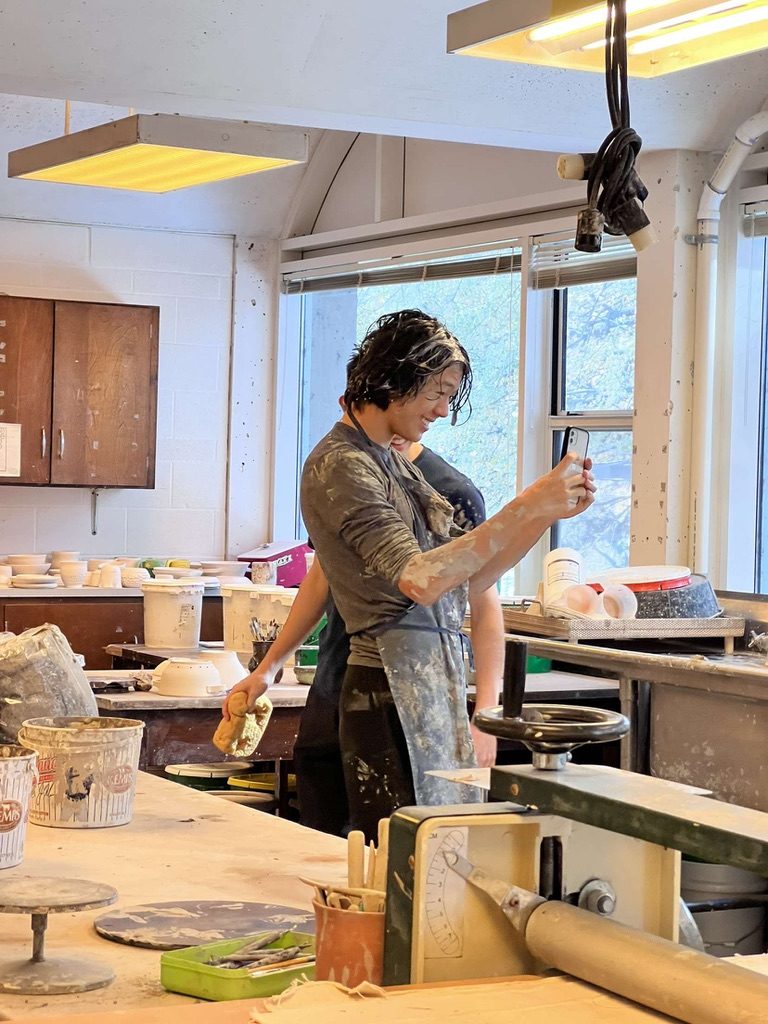
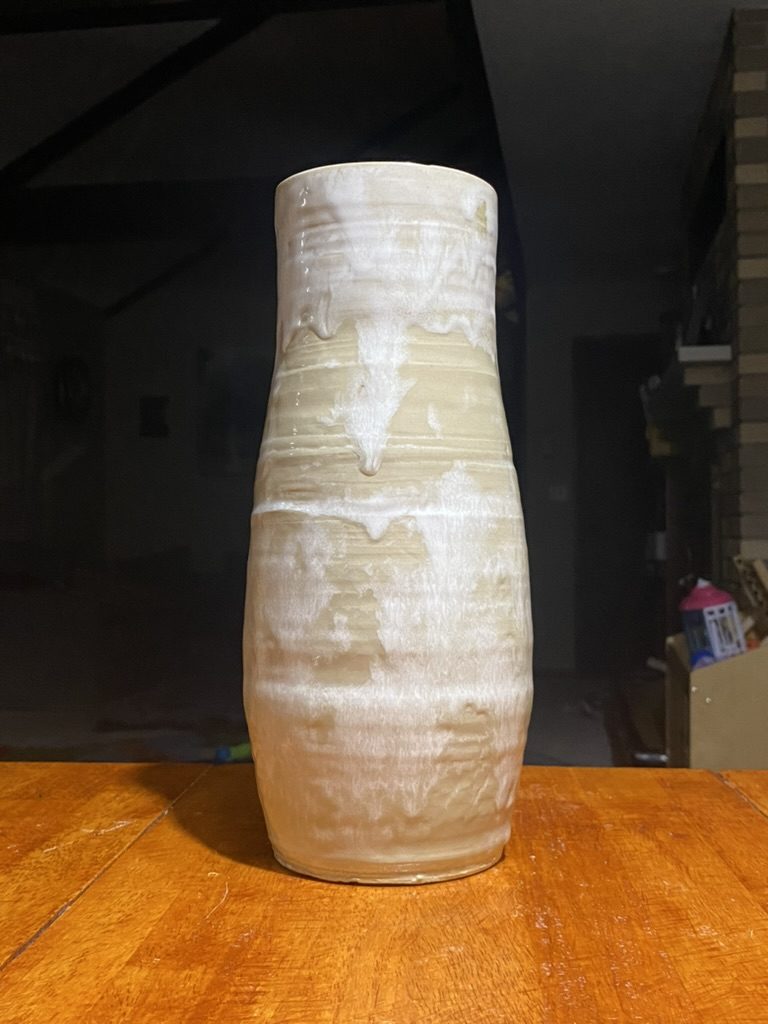
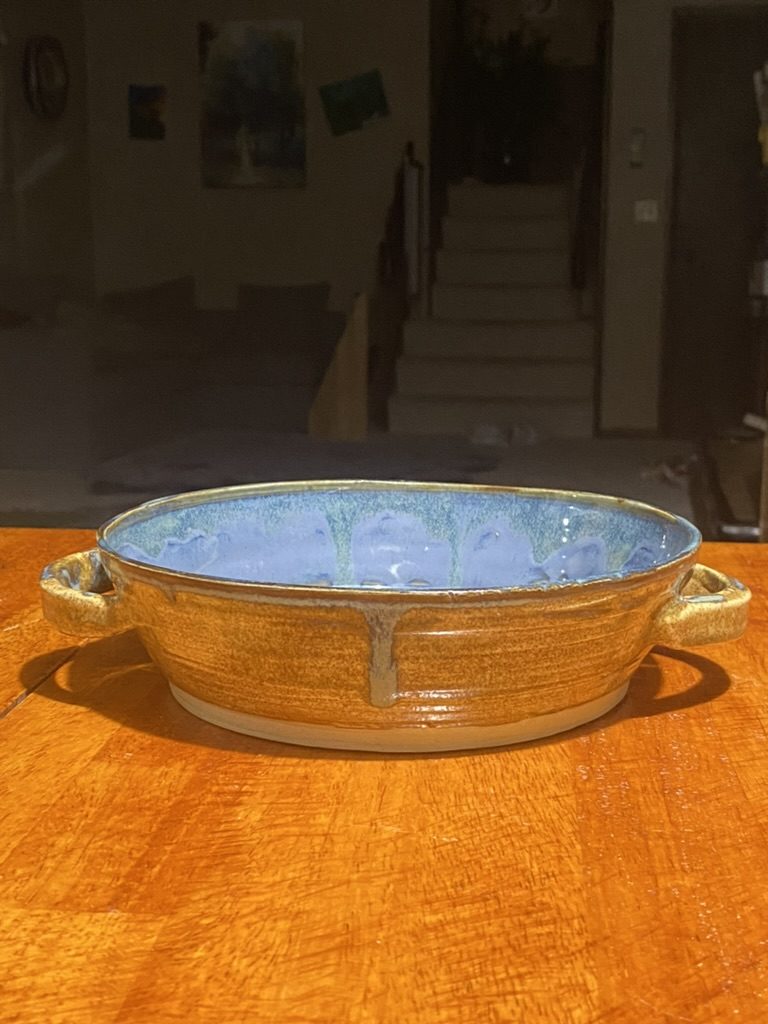
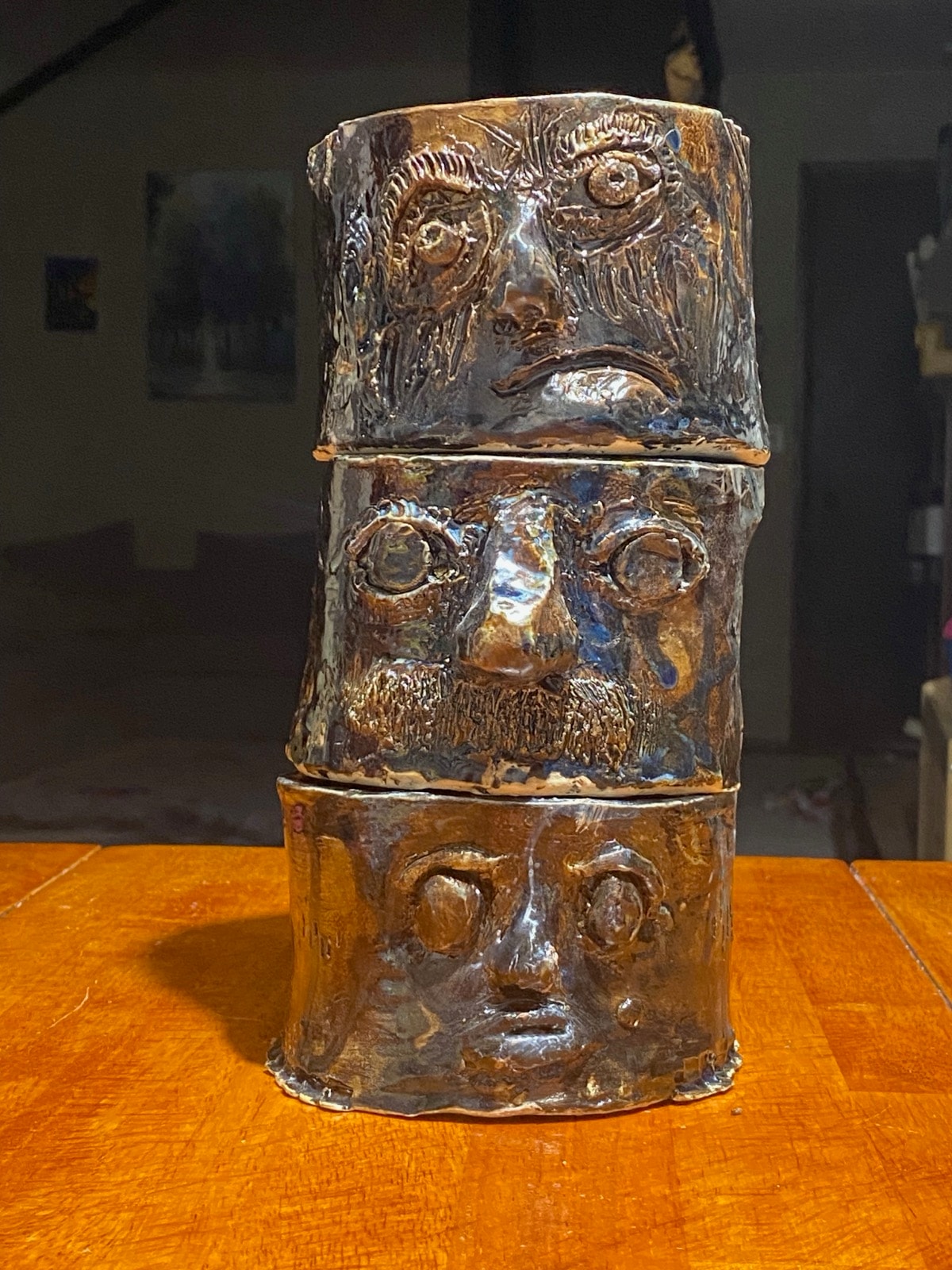
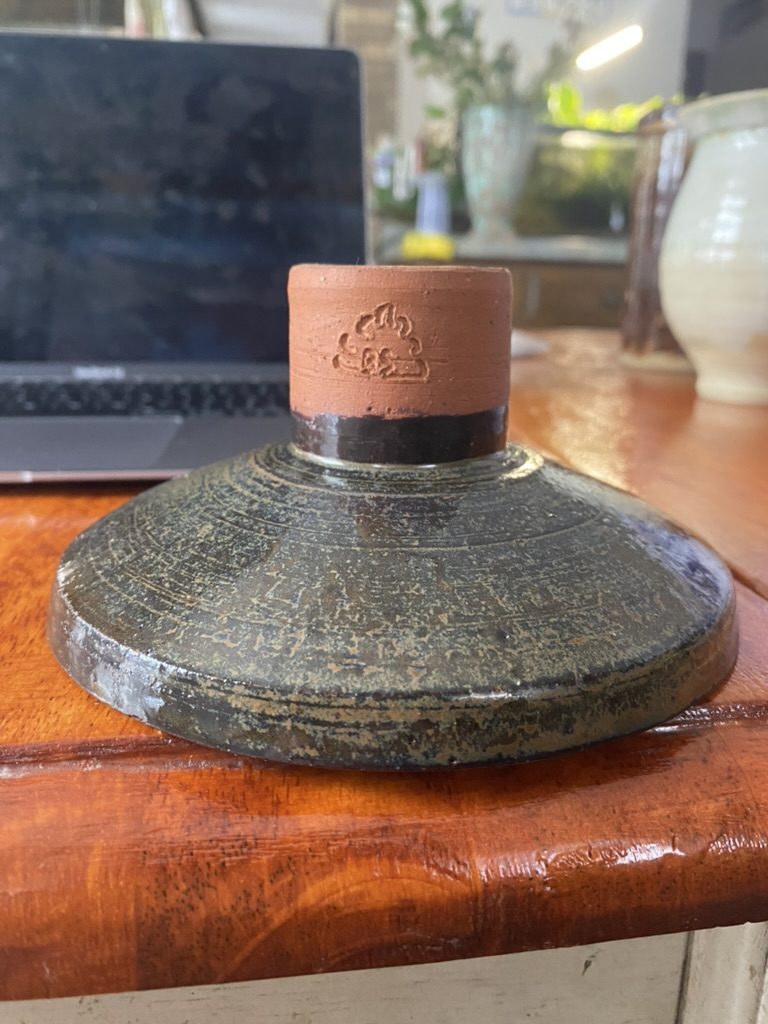
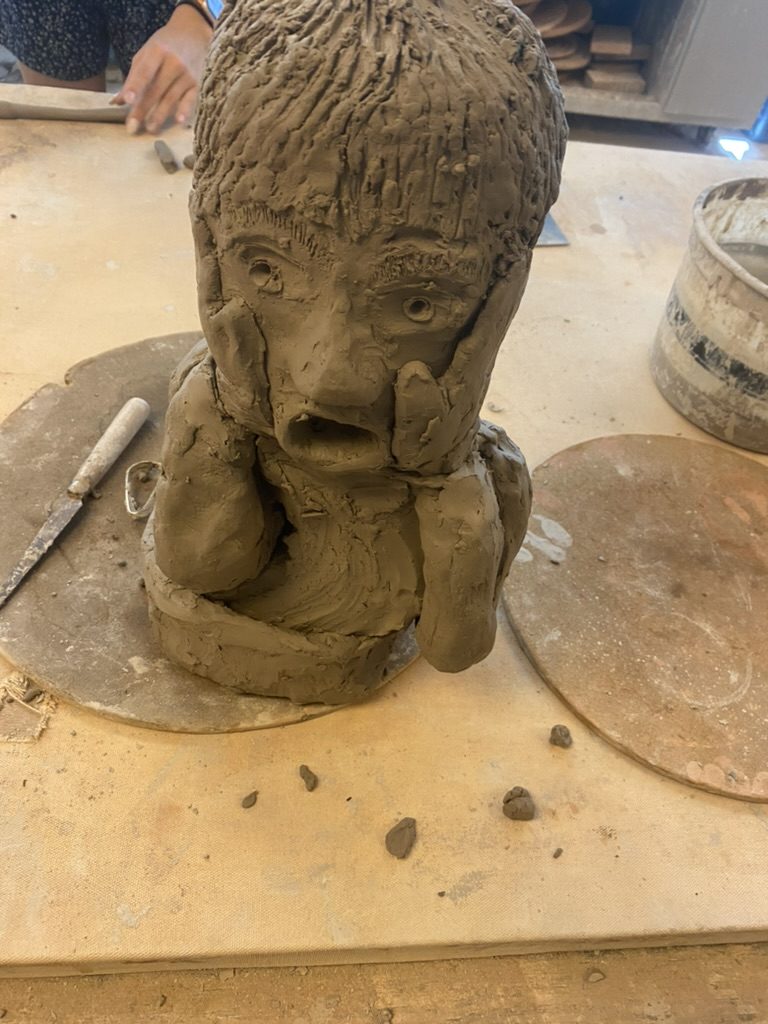
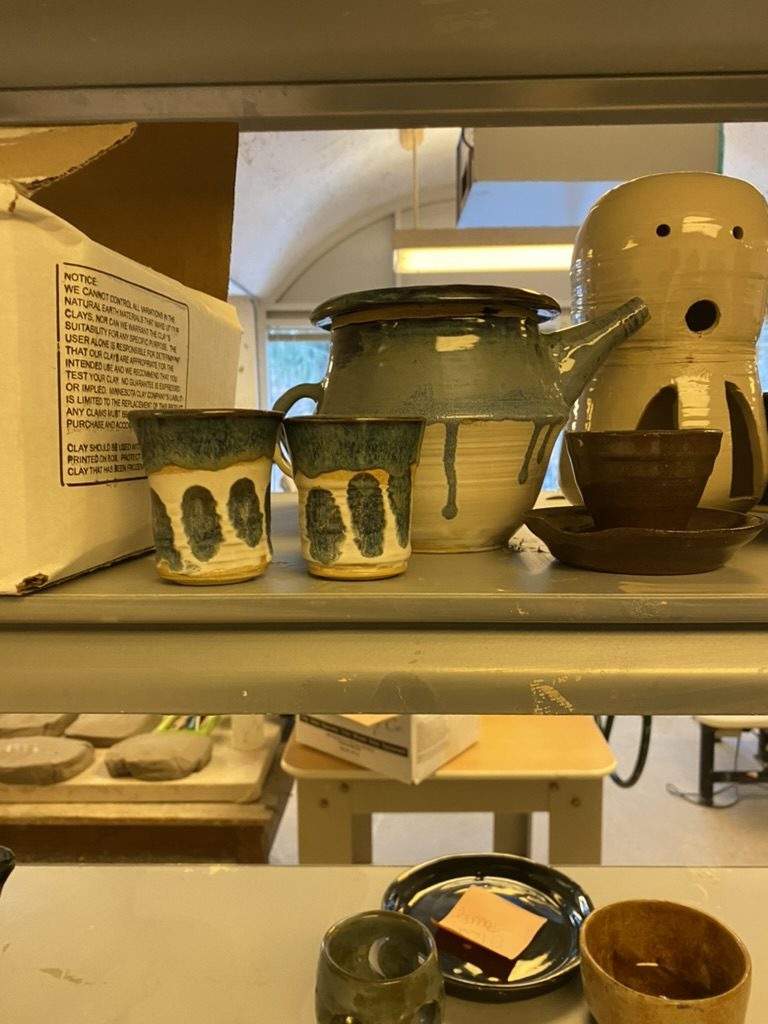
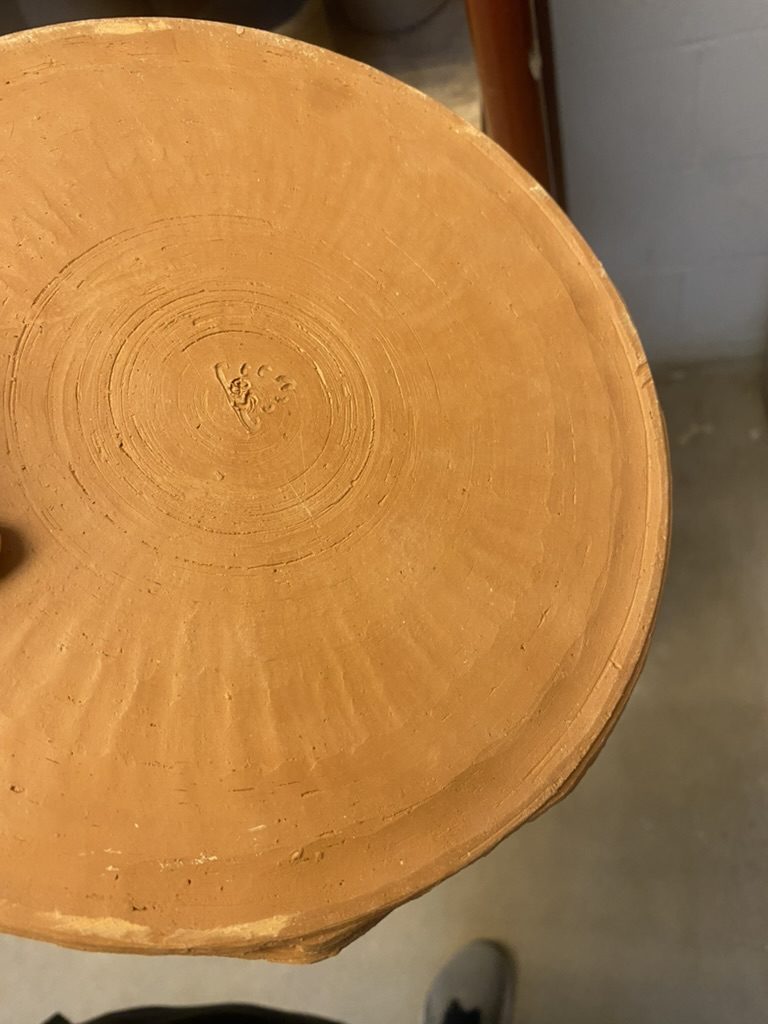
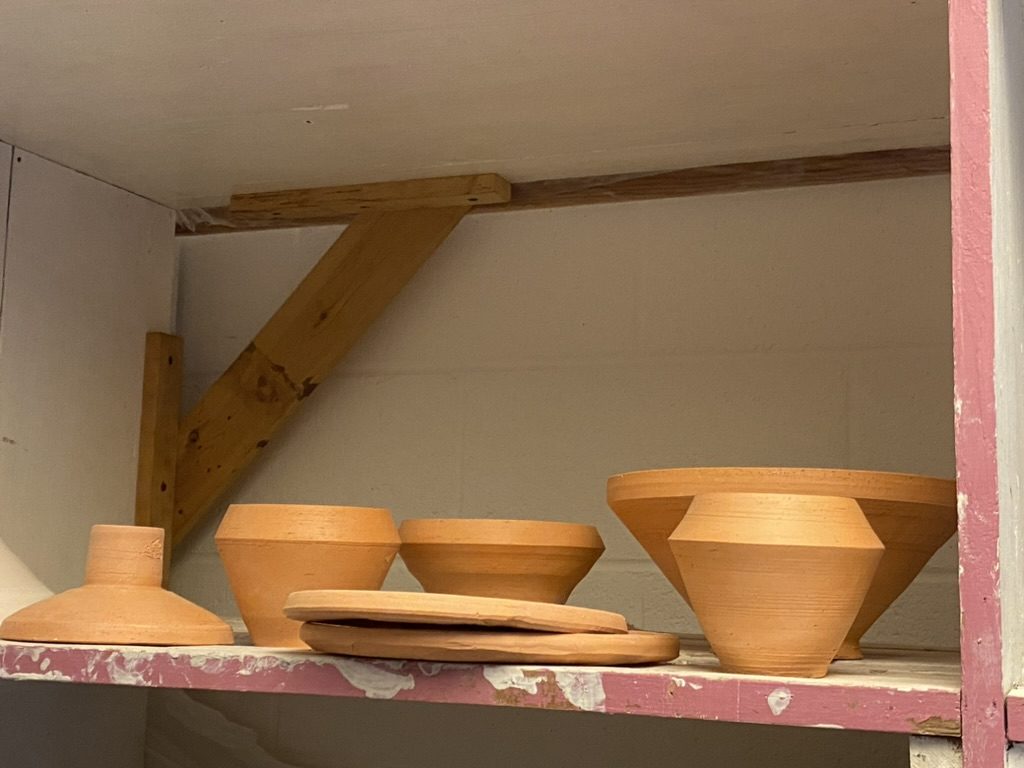
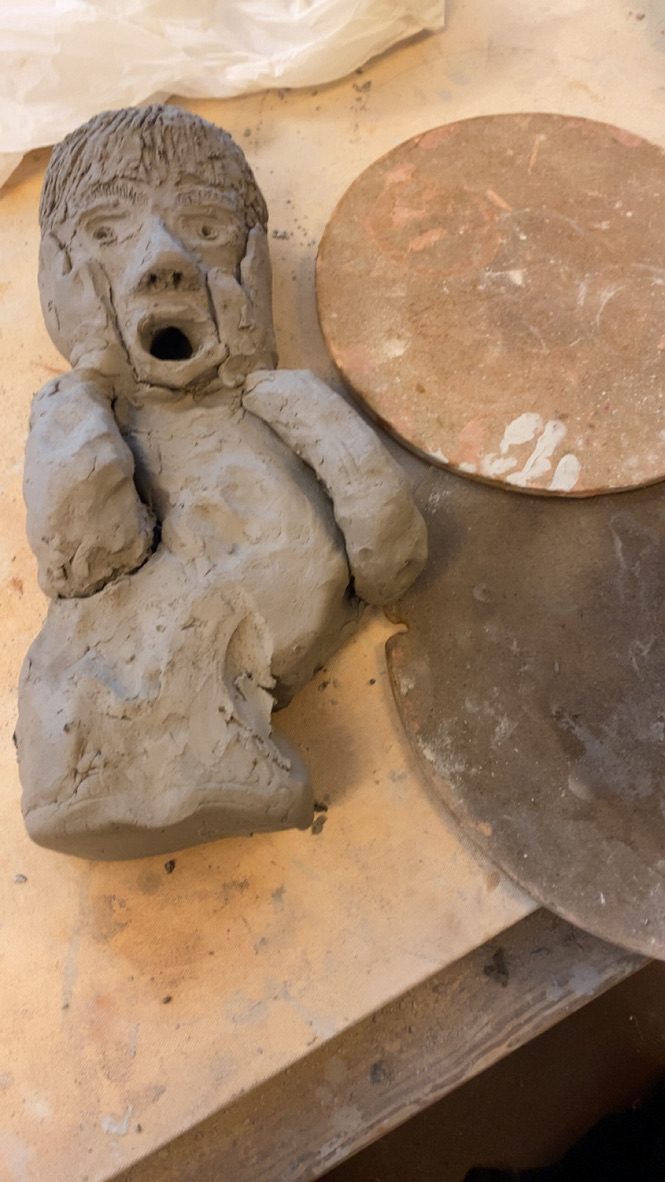
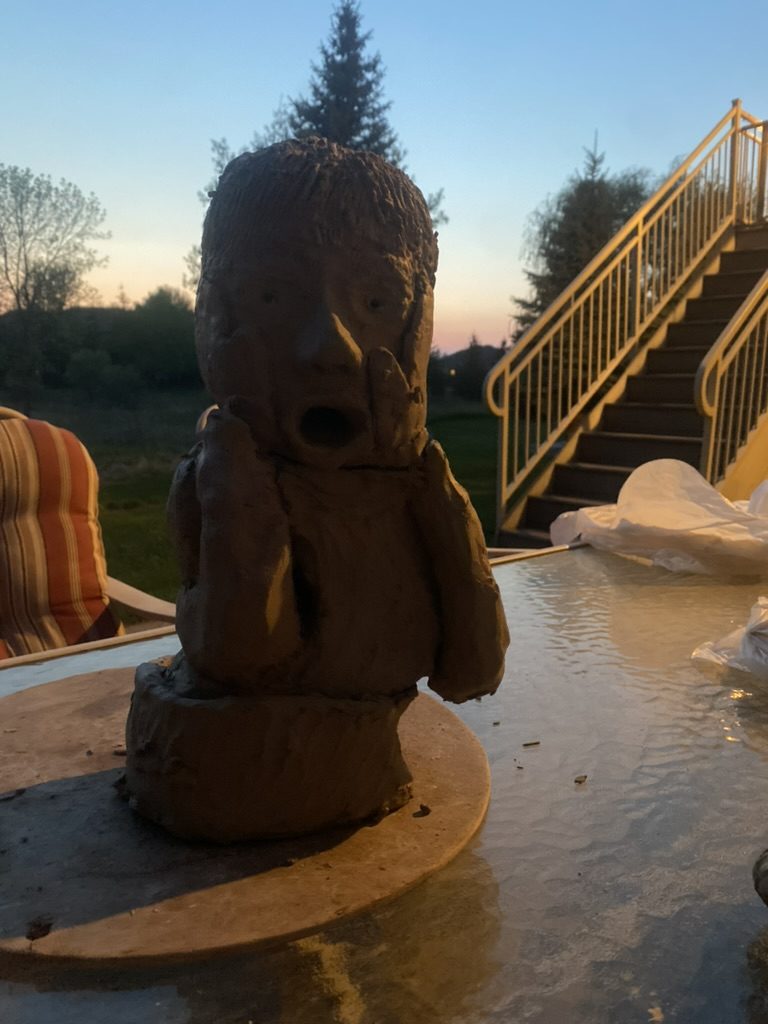
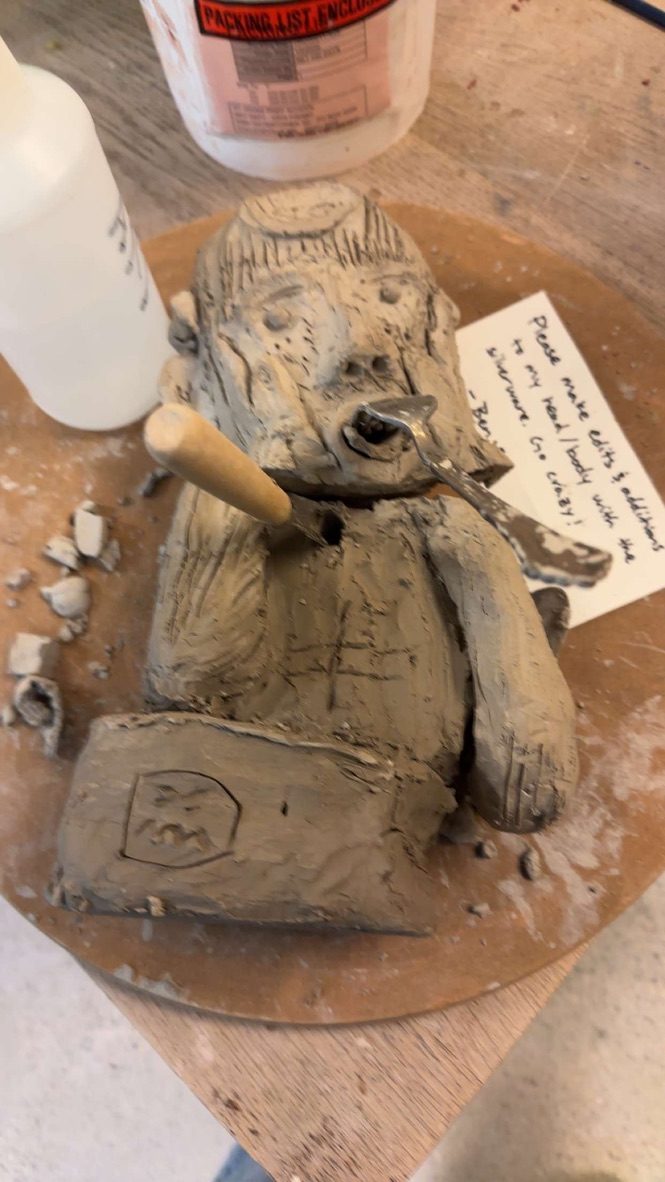
I’m in my 4th course of ceramics at my school, along with Visual Arts Studio where I plan to continue on my path of ceramics. Recently, I have been wanting to learn to sculpt clay and create face mugs. However, these are large projects that take up so much time. I plan to create an entry documenting my proudest ceramic works and ideas in the future.
7. Philosophy and Thinking
I’m known best for taking advanced math courses. But what I believe I’m most gifted in, is thinking abstractly and thinking about life. I’ve thought of so many ideas and want to talk about them with other people. Questions like:
What’s the best way to teach a child intuition?
How is it possible to go from zero to one, nothing to something?
When do you quit something you love?
Here’s one of my favorite questions: what am I really? Well this is a question that I thought of when I was in bed many years ago. I gave the generic, I’m a human, a boy, named Ben, black hair, black eyes… But then I ran out of words that categorized who I am, but the question was still “What am I?”. So when the honest answer of “I don’t know what I am” comes out and “I don’t know what’ll happen to me” and “I don’t know where I am right now, or where my ideas are coming from and will go”, a void opens up in your chest and it gives me a feeling of missing people. When I first felt this void, I got out of bed and went downstairs to just sit with my mom, as all I wanted to do was feel like something.
Anyway, I enjoy thinking about tough questions and feeling these strange yet vivid emotions. I enjoy dealing with ideas such as “endless”, “best”, and “future”, yet also love the present and the endless number of moments captured (think of a camera shutter) between the seconds. And again, thinking requires time which I’m really short on now.
8. Building Relationships
This point ties all of these passions together. I feel that it is essential to talk about what you are passionate about with people that are passionate about the same thing. These people that you end up learning with are probably some of the most important people you’ll ever meet. So I want to invest myself and time into relationships like this.
Why I began writing publicly: to be known more honestly and preserve what mattered while I was young.
Today is August 19, 2023. I’ve been 16 for two days now, and I feel so much older than when I was 15. Anyway, this is my first post ever, so please read until the end.
Let’s begin today with a true story; a hook for you, the reader. This actually just happened.
I had to say bye to my friend Sean today. He’s simply a great person with a great head. When I went to say goodbye to him, he gave me some books. Some of these books were in Chinese, but I don’t think that he knows that I’m not adept at reading the language, much less, learning abstract ideas in Chinese.
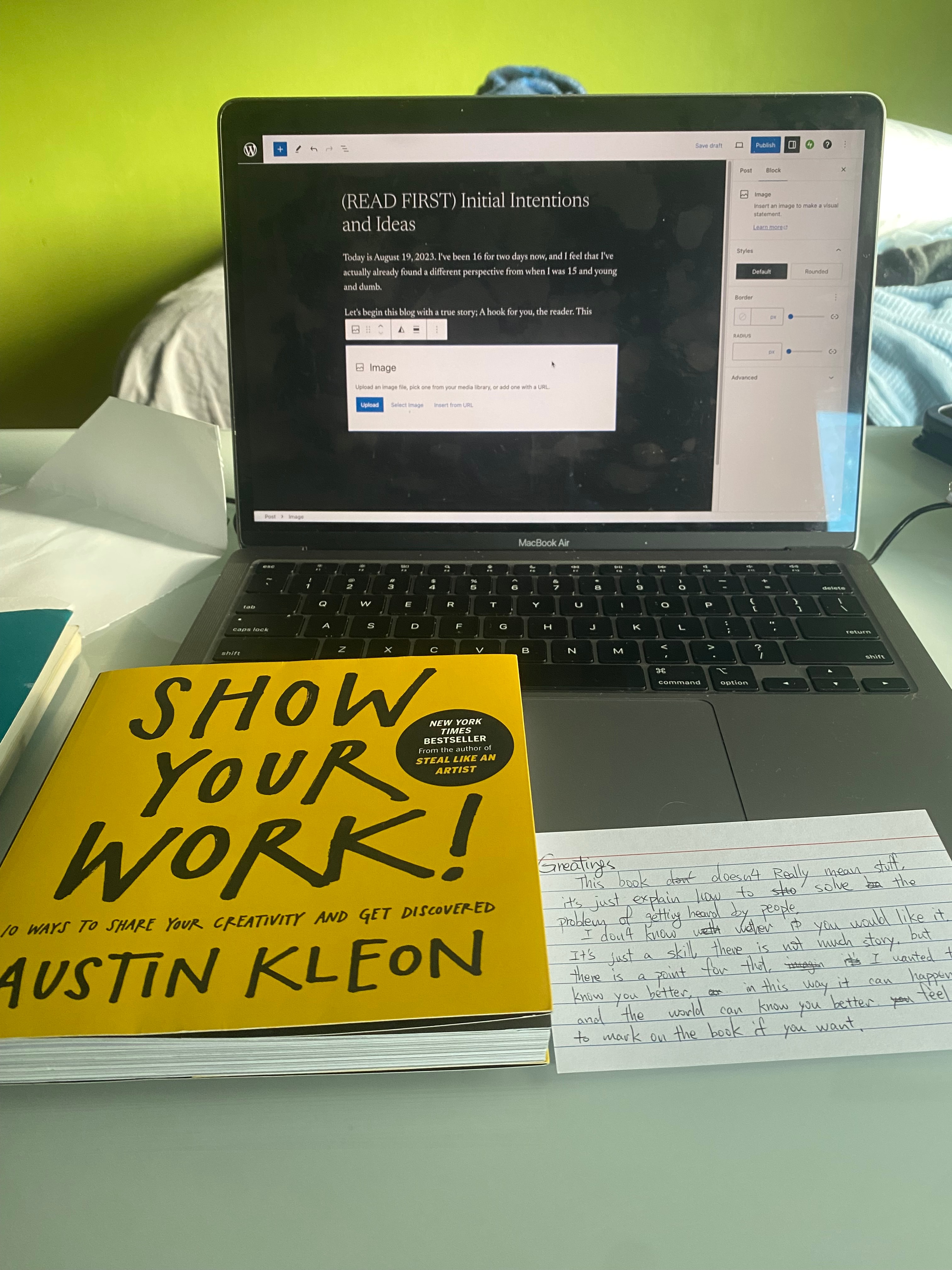
Anyway, in this book titled Show Your Work! by Austin Kleon, Sean left two notes. The first note read something about how this book doesn’t really mean much about anything, and the first line of the second note says: “OK, I take back what I have said.”
Right now, less than twenty pages into the book (with some pages just being pictures), I think the book can be life-changing for me. In fact, it is half of the co-inspiration that made me create this platform and start writing.
The other half of the co-inspiration is a part of Sean’s note:
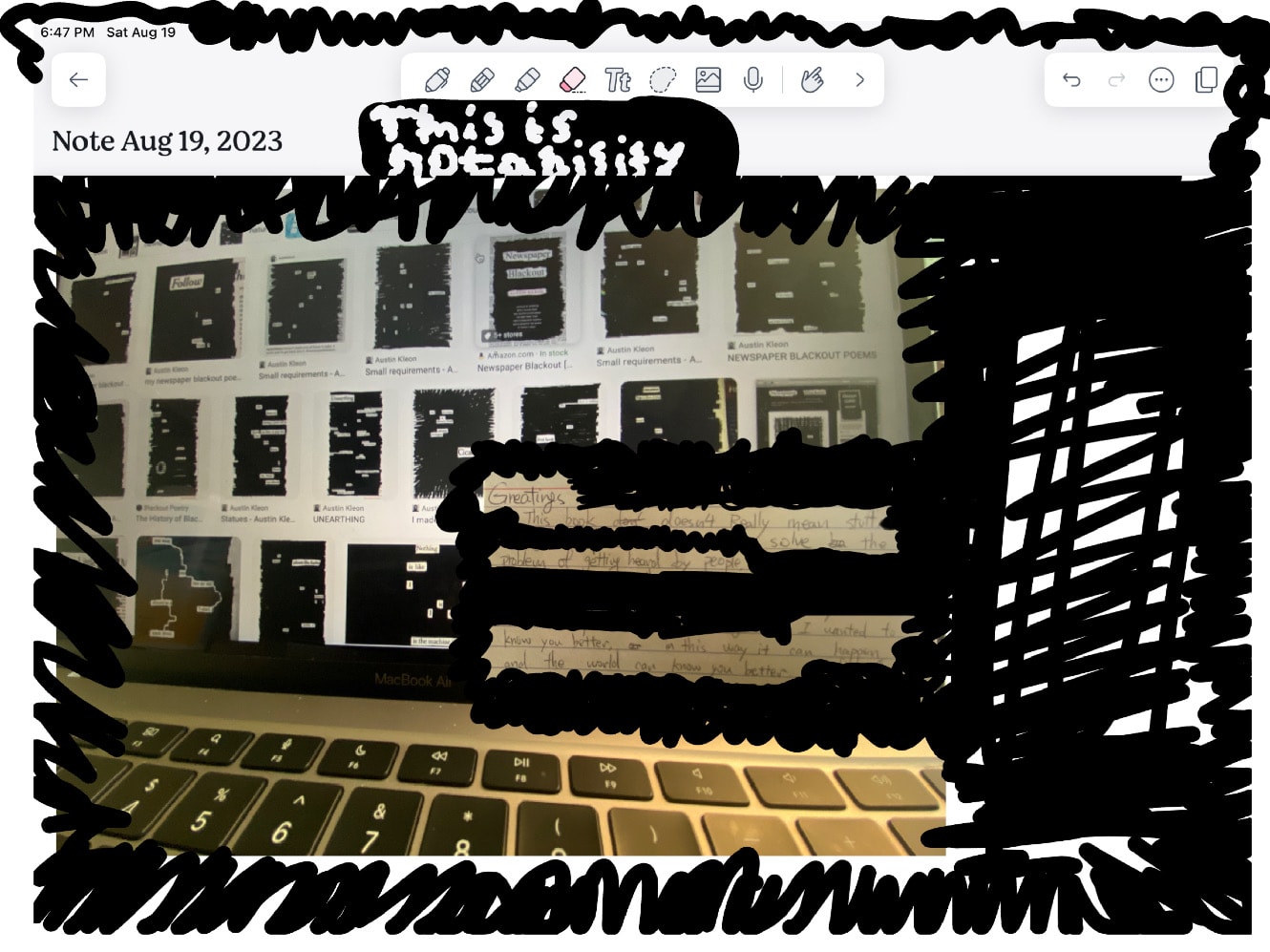
See Austin Kleon’s “Blackout Poetry” that I stole from him, which he stole from the 18th century.
I’m not sure how well this photo will turn out, but the part that I wanted to highlight says, “I wanted to know you better, in this way it can happen and the world can know you better.” Damn, Sean, this was a shot in the head.
I have always knew that I kept most of my ideas to myself, but I had never considered that there would be any big downsides that come because of it. But I now regret and acknowledge that it may have hindered every single one of my relationships. I mean, if everyone I knew knew a lot more about me, I would have so many open and honest bonds, ones that may have otherwise taken years to cultivate.
So I wanted to create this platform to allow you to better understand me. With more exposure to my ideas, my views, and my preferences, I hope that you will be able to strengthen your opinion of me, in a positive or negative direction. Either way, it will allow both of us to enjoy more time with the people that we like.
I hope to write honestly, freely, and often. I want everything to be thought out, and directed to you in a way that assumes that we’ve been long-term friends. My intention is to keep on posting as I go throughout life to see what I prioritized and thought about when I was younger. Today will be the start of this mess.
This will help improve my writing and typing skills, and it will serve as a place to get my ideas recorded. I also really hope that writing will help me sleep better, as I’ve been having trouble sleeping recently. Perhaps this will be where I’ll be when I can’t sleep?
I have this idea to add a time-relevant song to listen to while reading each post to share my music taste and potentially spread some nostalgia for those in the future. I’ll add all these song to some playlist on Spotify.
I plan to finish reading this book tonight and write tomorrow about how I plan to use it to impact my life. If everything goes smoothly, I urge you to read that post next, as I may use it to combat one of the biggest problems of my life: not being heard by others.
Finally, thank you for reading this. If this is your first time to try to get to know me, please know that I want to become lifelong friends with you.
A private, local-first macOS dictation tool with optional low-cost AI cleanup.
WorkFlow explores a simple question: can dictation feel private, fast, and calm enough to become an everyday interface?
The project keeps transcription local-first and treats AI cleanup as an optional layer rather than a requirement.
Project
Revere
JavaScript1 min read
A Chrome extension for monitoring live website changes and sending fast alerts.
Revere monitors changes on live websites and surfaces them quickly. It is an experiment in turning passive checking into a focused alerting workflow.
Project
Creativity Game Mine
HTML1 min read
An experimental browser mining game made for a class prompt about copyright and remix.
This browser game treats mining as a metaphor for creativity, authorship, and reuse. It was built as a compact experiment rather than a permanent product.